Making Mentoring Matter

Mentoring is a long-term collaborative and confidential relationship where an experienced individual (the mentor) provides guidance, knowledge, and support to a less experienced person (the mentee) to foster their personal or professional growth. It focuses on building confidence, enhancing skills, navigating transitions, and empowering the mentee to develop their own solutions, rather than just providing answers.  Making mentoring matter in business creates a strategic competitive advantage.

That overall objective of empowering the mentee to develop themselves through guidance is ultimate measure of a successful mentor. Making mentoring matter takes several key cultural and skillsets to make it effective.

Making Mentorship Effective

Making mentoring matter inside an organisation requires a culture of mentoring to be built within the organisation. Mentoring can create problems inside a vertically structured business as it develops new lines of communication often across, through and outside traditional business structures. Dotted lines of communication and support can threaten traditional structures of command and control. 

To make mentoring effective it must be a strategic decision. Led from the top to move those traditional vertical lines of command and control to a newer often called networked structured models of leadership support.

Making mentorship effective typically consists of several key components. Successful mentors have to be good listeners, not just to hear the problems mentees are facing but also to understand the backgrounds and perspectives that have shaped and formed mentees experiences. Buying into mentees, seeing their potential and learning how to share stories and experiences is central to making a good mentor.

Mentee to mentor matching is therefore a vital skill, knowing why a mentor was selected to be paired with a mentee provides not only confidence but also clarity of the overall objective of the mentoring programme. Good mentors should be clear to understand what mentees long-term goals are and how they see the mentor assist them towards achieving them.  That can be career goals, or skill and experience goals.  

Effective mentoring always starts with good matching that builds a good mentoring relationship. That does not mean simply getting on or having some shared interests, but in mutual respect that enables and challenges both mentor and mentee to grow as people. A relationship that can open up both parties and evolve over the long-term.

What mentoring does for the mentors

Mentoring is not just for mentees. While it is their outcome that matters as a measurable result of mentoring, there are several reciprocal metrics which are as important in soft skills metrics in modern organisations.  

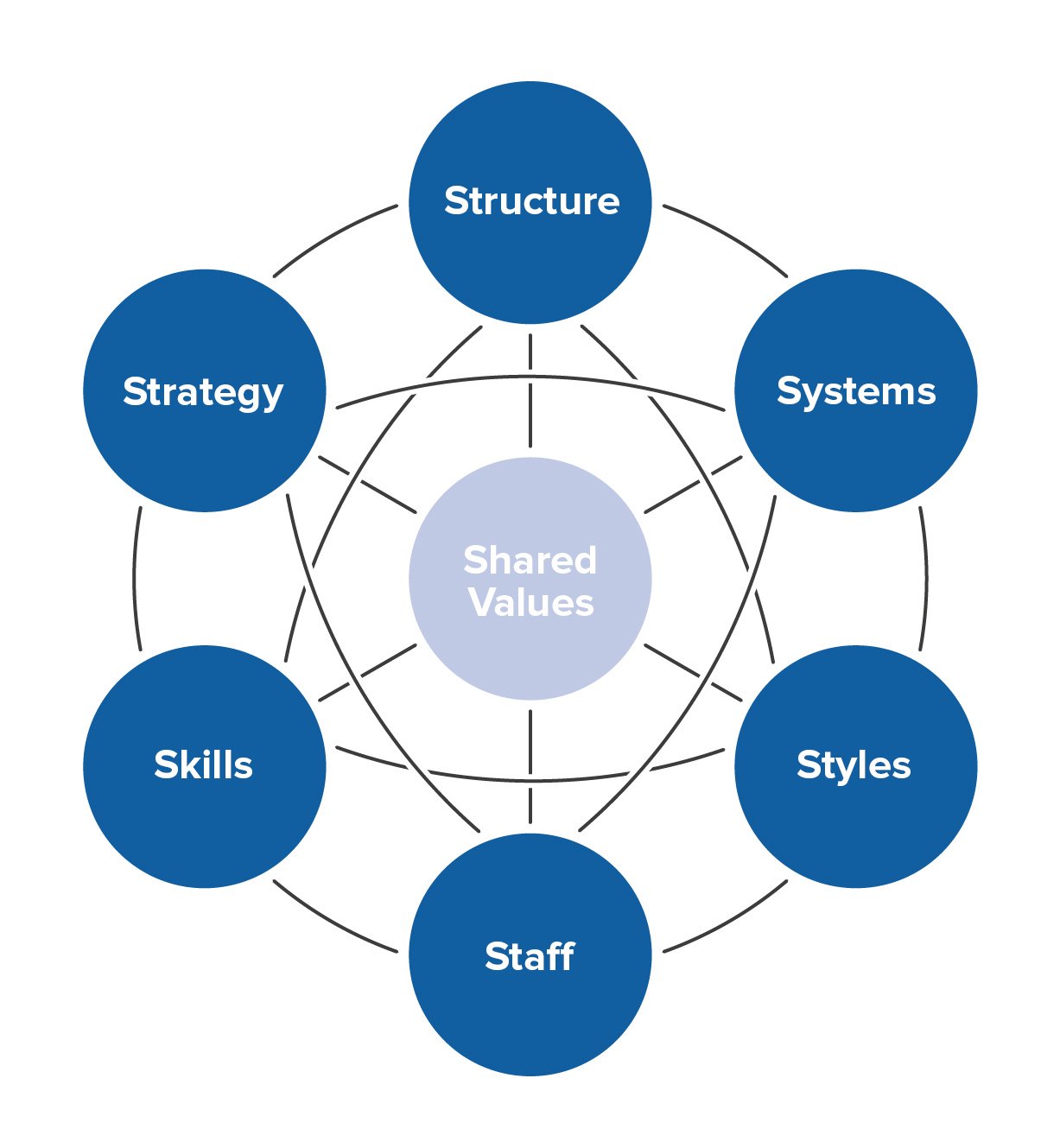
The McKinsey’s S7 model of hard S factors, Strategy, Systems, Structure is now matched by soft S factors in Style, Staff and Skills. It is today that soft skills is where the biggest competitive advantage can be seen in organisation development. Mentoring, the style of supporting staff with skills is very much driving how shared values are being disseminated through, across and into a business today.    

McKinsey S & Model

McKinsey S7 Model by Richard Gourlay

For mentors learning about different people’s challenges within the business, from departments, backgrounds and generational experiences all open up new learning for even the most experienced mentor.  Working with the next generation of professionals creates new challenges especially in a mentoring relationship. It is not command and control, or even a direct line of authority but one built upon mutual respect.    

For many mentors it is an excellent opportunity to develop softer leadership skills and to use their know-how, valuable networks and experiences to shape new people into the company. Giving back is also a powerful motivator for many mentors, a chance to use their experience to grow new talent.

Successful Mentoring Framework

To achieve a successful mentoring programme there are four key P’s Framework. which provide the foundations of any successful mentoring programme. These successful foundations are the definition of where any mentoring programme designer should start.

The first P in the framework is a clearly defined PURPOSE. This should ask the question why are we mentoring someone? What are the meetings and possible structure for?  Both parties should clearly define the mentee’s specific goals, challenges and expectations.  The purpose of the matching mentor to mentee should identify what the mentor offers the relationship in resources, connections and relationship building.  

The second P covers PREPARATION. For a good mentoring programme both parties need to prepare, putting their respective and matched agendas together. From identifying initial goals, both some quick wins as well as longer development goals, from the mentee though to mentors identifying possible mentoring paths of support. Mentors need to prepare deeper questioning on key topics and what experiences to share to make key points.  

The third P is PARTICIPATION. Mentoring is a long-term, often monthly arrangement, it is distinctive period but requires ongoing participation and commitment. Do both parties really value it? Participation is therefore essential form both sides, seeing it as important. Being present, having an agenda, venue, active full listening throughout, ensuring notes and action plan are made and followed through.

The fourth and final P is POSSIBILITIES. The outcome from participation is that the plan of possibilities from the initial plan to the evolving roadmap of the mentoring programme is mapped out in detail. A good plan exploring all possibilities and in priority format to achieve the original goals is essential.   

Mentoring Challenges

Mentoring starts as a good idea, and many people volunteer especially is the sponsors are Senior Leadership Team led. But for many mentors there is little training on how to make mentoring work.  

Mentoring often fails because the mentor does not know how to set up their role as a mentor.  Meetings can end up being chats and moans if not structured. They become nothing more than a nice to have with little progress and experience story-telling by the mentor if the mentor does not know how to structure their support. The 5C model of problem solving is useful here in creating high-value mentoring programmes. 

The 5 Cs Problem-Solving Model for mentoring

This framework provides structure for successful mentoring conversations:

  1. Challenges: Identifying and defining the specific difficulties the mentee is facing. 
    • Think SMART goals not “better at wishes”
  2. Choices: Exploring various paths or options available to address the challenges.
    • Create several options and scenarios routes 1,2,3 to support mentees  
  3. Consequences: Discussing the potential positive and negative outcomes for each choice.
    • Change shapes and reshapes people and relationships, make sure that mentees have a wide base of skills for any new role or relationship. 
  4. Creative Solutions: Brainstorming novel ideas, with the mentor sharing experience to offer new perspectives.
    • Bringing new ideas and researching all possible options should be discussed and evaluated with mentees with consequences and requirements in commitment fully discussed.
  5. Conclusions: The mentee makes a final decision and commits to specific next steps.
  • It is always up to the mentee to make the final decision and to make the first step. Mentoring moves at the pace of the mentee’s movement.

These 5C’s help mentors become effective mentors, and provide the structure to making mentoring matter.  Get in touch here today to learn more.

Like to know amor about mention then see theses links:-

Learn more about Mentoring by Richard Gourlay here:- Richard Gourlay Mentoring

Get in touch below to discuss your needs:+

Name
Email
Customers telephone number
How can I help you with your business or leadership skills?

Creating A High-Performance Team Culture

In the contemporary business environment, cultivating a culture of excellence is often regarded as the pinnacle of effective leadership. Such a culture serves as a strategic asset, providing a distinct competitive edge that facilitates sustained growth, enhances employee engagement, and improves profitability. Creating a high-performance team is therefore a strategic decision a leader takes to create and sustain competitive advantage.

A high-performance work culture extends beyond leadership alone; it embodies an organizational ethos where every individual is dedicated to achieving outstanding results. This necessitates an environment where employees feel empowered to challenge existing practices, seek continuous improvement, and foster innovation—hallmarks of an environment rooted in excellence.

The Purpose of Excellence

For any leader, establishing a high-performance culture is not an instantaneous act but a deliberate strategic endeavor. It involves creating, nurturing, and maintaining an organizational climate conducive to excellence. The underlying motivation— the “why”— centers on the tangible benefits such a culture imparts within its sector. Achieving this requires significant investment in terms of time, commitment, and energy; however, the resultant advantages justify these efforts.

The rewards of fostering a high-performance culture include enhanced innovation leading to increased profitability, improved market positioning, stronger customer acquisition and retention, and superior talent retention. As articulated by Dan Pink in his seminal work Drive, motivation rooted in mastery, autonomy, and purpose depends fundamentally on a robust supporting culture. Without such foundational elements, these motivational drivers cannot realize their full potential.

In essence, cultivating a high-performance work culture is an essential strategic priority that yields long-term organizational resilience and success.

Leading by Example

At the forefront of any environment of excellence is the leadership’s vision. A vision explains why we are creating a high-performance culture. That starts and ends with the leadership’s actions in everyday behaviours. Are they walking the walk or just talking the talk?  Leaders must create the right environment for a culture to exist. Leaders must focus on developing the “How do we do this better” questioning while creating a safe space for people to try, and that starts by asking awkward, uncomfortable and challenging questions.  

To get better we must break what we have always done.  Not accepting the ‘good enough mentality’ or ‘it’s not costing us anything to keep it as it is’. The other major danger leaders’ face is letting a committee acceptance approach to retain the status quo. Ask the importance question ;does everything we do add value to the customer?” or “Can we find new ways to add value to our customers?” Is a better question! As is; “What do you think we should do differently to be more valuable to our customers?” This mentality creates an engaged workforce that challenges them to not only try but feel safe in looking for new ideas. 

Leadership’s Role in Cultivating a High-Performance Culture

Central to fostering an environment of excellence is the clarity and consistency of leadership’s vision. A compelling vision articulates the purpose behind establishing a high-performance culture, serving as a guiding light for organizational efforts. The realization of this vision hinges upon leaders’ daily actions and behaviours—whether they exemplify the standards they set or merely articulate ideals without tangible follow-through.

Effective leaders are tasked with creating an environment conducive to continuous improvement and innovation. This involves cultivating a mindset focused on “How do we do this better?”—a question that encourages reflection, learning, and adaptation. Equally important is establishing a safe space where individuals feel empowered to experiment, challenge existing practices, and voice difficult or uncomfortable questions without fear of reprisal.

To progress beyond current limitations, organizations must be willing to challenge ingrained habits and assumptions. This requires moving away from complacency rooted in the belief that maintaining the status quo incurs no cost or consequence. Instead, leaders should consistently ask whether their actions genuinely add value to customers. An even more impactful inquiry is: “What should we do differently to enhance our value proposition?” Such questions foster an engaged workforce motivated not only to try new approaches but also to feel secure in taking risks that lead to meaningful improvements.

Creating a Culture of Excellence

Starts with a clear statement of intent, what are the standards you expect to see throughout the organisation. Define what excellence means within your organisation. By establishing expectations and defining them in language to each person within their role. That requires that every touch point, from recruitment, people engagement and development through to KPI and day-to-day operational and behavioural activity. 

Leaders must display that excellence. By leading from the front, especially in the small day-to-day people engagement behaviours in listening, learning and problem-solving. Setting the standards can only come from leaders and their behaviours. 

To create a high-performance culture to exist people must be continually learning to create continuous improvement.  A learning culture in both formal, professional development and informal learning especially with mentoring and peer support is an essential pilar of the environment of excellence. In Dan Pink’s book Drive several examples of learning reflect this in different environments in delivering what he terms autonomy, from Google’s 20% employees time self-invested in personal projects through to recognition of learning in what he terms mastery of a topic area.  

The key element leaders need to focus on are in creating a positive challenging environment. One where people feel safe to challenge themselves, challenge the status quo and challenge why not perception.  That challenge leads firstly ‘a growth mindset’ asking where can we take the organisation in both capability and capacity? Intellectually that is supported by a clear vision of where we want to be that supports and sustains that challenging drive to be better. 

High-Performance Culture

Trust Matters

A growth mindset is built upon doing the right things consistently. From believing in others intentions, to let them look beyond what we currently do, through to creating an emotional safety within their organisation that fosters integrity and responsibility. 

Leaders must enable a safe fail learn faster trusting mentality, that rewards people who try and learn rather than those who play it safe or look to shame those who fail. Giving accountability over to people to try something new and developing feedback to enable fast learning rather than running away from early failures. 

That emotional safety is a cornerstone of a high-performance culture. As Steve Jobs famously said, “There is no point hiring the brightest people and then telling them what to do?

Feedback Drives Culture Change

Feedback is an essential element of a growth mindset. Ultimately feedback is the only outcome that matters in a high-performance culture. Excellence-driven organisations create multiple open feedback loops. Feedback loops are the result of true honesty within an organisation culture and drive the ability for growth to happen both rapidly and constructively. 

Honesty in feedback is not a negative, but an essential element in challenging assumptions. Where can it be better is what feedback should be focused towards. So positive feedback loops including arenas such as brainstorming, project design, pilot testing as well as process engineering.  

Supporting High-Performance Teams

An environment of excellence is underpinned by a continued support for others. From being available to walk the walk around the whole team, through to resource provision and mentoring through to the essential leadership role of being a resource provider. 

Supporting cultures are enablers and sustainers of an environment of excellence which underpins high performance. A culture of supporting is linked to the overall vision and capability creation enabling individuals and teams to perform to new higher standards. Support in resources is not just financial, although that is important but also in ideas, emotional engagement, in having time to listen and understand as well as connect people to the right resources.  

Resisting Resistance 

A supporting culture is also essential to deal with managing employee and stakeholder pushback. Dealing with change is the single biggest challenge to creating an environment of excellence to deliver a high-performance culture. Resistance comes in many formats form active hostile resisting actions through to passive resistance in non-compliance.

A supporting culture is the most effective way to overcome the lack of active engagement. For an environment of excellence to emerge leaders must acknowledge resistance from those who feel threatened. Listening to their concerns, perceptions and reading between the lines as to why they might or are resisting and offering solutions without compromising your goals as a leader are vital to create the environment that delivers high performance culture.

Defining expectations, often turning aspirational language into practical steps and outcomes often reduces and mitigates fears and uncertainty in change. Clear expectations matched by tangible behaviours which can be trained and adopted overcome misunderstood aspirations.

Supporting others must also deal with underperformance. Ensuring that performance matters and is impact is fully realised and clarify that they must achieve the new standards with support and timeline that improvement. 

While many leaders overfocus on those underperforming an environment of excellence requires leaders to shift their mindset away from underperformers to those who excel at making change. 

“Don’t reward failure with your time, reward good behaviours with your time and resources”.

Investing your time and praise for those going in the right direction is the right messaging inside any organisation. While initially seen as counterproductive to good management, deal with under performers it works to spend time working with those who get it to pull and nudge those who should get it to make the move. This not only drive the environment towards excellence. Not only that but is far more rewarding and less energy draining.  

Leading by Stepping Back

To deliver a high-performance culture we need an environment of excellence, but that is not singularly down to the leadership team. Creating champions across and throughout the organisation creates a team effort in delivering results. Engage employees to construct it, find champions from early adopters, create champions of change for each stage of your development of the environment, so that you have a team effort and cohorts of people who are part of the solution which they can shape and drive. 

Leading from the back can only happen when champions are in place, and leaders can step back and see what is happening and where they need to concentrate their efforts and resources. If a leader only leads form the from then they often miss what is going on behind them. 

Stepping Back to Sustain Excellence  

Stepping back also allows leaders to ensure proper oversight and monitor performance throughout the organisation. Knowing where to pace change to find quick wins, and customer requirements and respond to pressures and opportunities requires leaders to be able to see and feel what is going on. Being a resource provider, a leader is there to be available to overcome barriers and develop team and cultural resilience.  

High Performance Culture

There are so many benefits to create a high-performance culture in today’s business world. Pushing people to do their best, and be the best they can be, delivering creative and innovative solutions that is recognised and rewarded. 

Building the environment of excellence within which a high-performance culture can grow, and flourish starts with a clear vision, supporting a growth mindset of trust and a supporting environment within which a culture can thrive. 

The end goal is creating an environment where everyone pursues being excellent in everything they do.

Like to know how we can support you create a high performance culture, then get in touch below.

Mentoring Services by Richard Gourlay

In Business Growth is not always Good Growth!

Business Growth is not always Good Growth, it can be Bad!

For every business owner growth is the ultimate measure of success, except it isn’t! Not all growth is good growth, and bad growth can have significant negative consequences. 

Growth is seen as THE measure of success in business. Leaders are measured by what they deliver in results, and growth is the simplest measurement to communicate. Headline results of increased turnover are always eye-catching news but may not be good growth.  Turnover, for turnovers sake, is often the most dangerous result a leader can deliver.  Growth sounds like a good result but not all growth is good. 

When growth at any cost becomes the sole focus, then leaders open the pandori’s box for the wrong types of growth.  Growth for growth’s sake is a high-risk business move. It sounds great as a headline but often masks what is really going on. The short-term benefits of rapid growth often come with long term consequences for any business. This is the difference between good growth and bad growth, which need to be clearly understood by owners and directors.

So, what is Bad Growth?

Bad growth is unsustainable. It’s a short-term grab that looks good but does significant long-term damage.  Bad growth comes in many shapes such as:-

  1. In grabbing market share: buying a low value contract to win a new customer, which reduces margin sets a trend to lower margins.
  2. In opening the wrong type of customer: which pulls the business to somewhere outside its marketplace, stretching the brand into different unprofitable places.
  3. Over rapid growth by buying market share: with a low-cost entry offer or product which stretches the company’s resources, from financial causing unnecessary debt, to brand stretch damaging brand value to customer and channel trust breakdown.

The outcome of bad growth is that it stretches and pulls the company in wrong direction. Pulling a company in a wrong direction, is short-term thinking. If it is recoverable will take time, money are human resources to correct short-term bad growth. But here’s the other key problem that bad growth creates. If we incentives and measure only the growth, then we reward the people who created that bad growth. By giving them rewards and incentives to do more of the same, feeding the bad behaviour.  That creates an empowerment and acceleration off driving growth at any cost and at all costs.    

Growth at any Cost

That growth at any, and all cost, becomes a mantra which often overriders all other business and brand metrics. The first casualty is margins which become eroded, followed by key areas such as investment in new innovative product is sacrificed for cash cows. That in turn leads to brand position erosion as the brand moves from where it was. Which is where its existing valuable customers want it to be. To a new market position, which results in its former customers moving away to new brands. 

Causes and Solutions of Bad Growth

Bad growth is an outcome of poor leadership decision making. When directors, press the green button to go for growth at any cost they are the fundamental root cause of bad growth. Instead they should be developing a clear strategic plan for the business. Identifying a company’s its true value and long-term aspiration must to be laid out by its leadership team.  

Clear guidelines of what the business and brand stand for is a must be defined. and protected Growth has impacts and good assessment of the full impact should always be made. If a business outgrows a market growth rate, then how is that being achieved, and what is the long-term impact on the company must be fully understood.  

Bad growth is often cheap and easy, but destructive and expensive in the long-term. The classic phrase there is no such thing as a free lunch’ should always be at the forefront of leaders minds. Bad growth takes the company in the wrong direction, moving it away from its market position, and most importantly away its existing loyal and valued customers.

Bad Growth Business Impact

As well as driving the company into wrong markets or short-term grab growth, bad growth often also has severe and significant internal impacts. Firstly, on the company’s values and its people motivators. Bad growth does not feel right to employees, demotivating good people and putting strains and stresses on systems and people as they are pulled in the wrong direction. 

Often bad growth creates internal conflict as people and systems are set up for good growth in product development, operating systems and customer focused activities. Challenging these, or short circuiting them to override them for bad growth goals creates tension and disappointment, demoting and demotivating even the most loyal employees.

Growth is a complicated goal and rarely one where there is easy low hanging fruit. It’s not just about increasing sales or market size; it’s about building a resilient, sustainable, and innovative enterprise. 

So What is Good Growth?

In business good growth is inextricably linked to a sustainable expansion strategy. It must be beneficial to all stakeholders within the business and to its external stakeholders especially its customers and channel partners. This holistic approach that considers the long-term impacts on the company, its employees, and customers. Good growth is led by a clear long-term strategy planning. It creates a steady increase in turnover and profit reflected in market impact of new product and brand position retention and enhancement.

Defining Good Growth

We can all see good growth after it has happened. We see more of the right type of customer for the business. They are spending more and are happy to buy more and more frequently. Happy customers come back and want more of both the same but also products and services which they want to a company to supply. 

Good growth is where: –

  1. Alignment is strong between all stakeholders: with shared values and brand perceptions work hand in hand in growth planning and delivery.
  2. Good growth is sustainable: it is both manageable and self-sufficient in generating products and services which sustain the growth of the business.
  3. Ultimately it creates long-term profitability: throughout the business, not short-term growth but long-term profits, such as shareholder value.      

The signature of good growth are therefore sustainability, profitability, and alignment with the company’s core values and mission. Good growth reflects the inter-relationship of all these three factors. It’s a type of growth that supports and is supported by the company’s overall strategic plan.

Benefits of Good Growth

Good growth benefits the whole business. Not only does it support long-term sustainability It supports brand reputation, builds and develops customer loyalty, and motivates employees. Good growth is enhancing the businesses whole value as it fits within the brand values and adds to the whole of the business offering. Each off these three elements protects the business from bad growth drivers and practices.  

Strategic Thinking

Leaders who foster good growth are adaptable and responsive to market changes. Good growth leaders are open to innovation and learning. In bad growth situations, leadership are often rigid, do not listen to feedback from customers and employees that could prevent negative outcomes. The outcome is more important than how they got there.

Conclusion

Good growth balances opportunities with threats to the business. It focuses on the three key elements of alignment, sustainability and profitability. A good growth culture ensures it is aligned with all stakeholder and company needs. It is sustainable so it can be replicated without damage to the brand, its customers and its future and finally it makes money for the business and enhances shareholder value.  

Don’t be led by people who over promise to grow your business, especially if they come from outside your sector or culture. If they don’t understand the sector and your market, they don’t understand good growth.

Contact Richard Gourlay
Contact Richard Gourlay to discuss your needs.
Name
Email
Customers telephone number
How can I help you with your business or leadership skills?

Business success supported by Richard Gourlay at Cowden

The Growth of the Garden Rooms Scotland Business

The Growth of Garden Rooms Scotland


The Growth of Garden Rooms

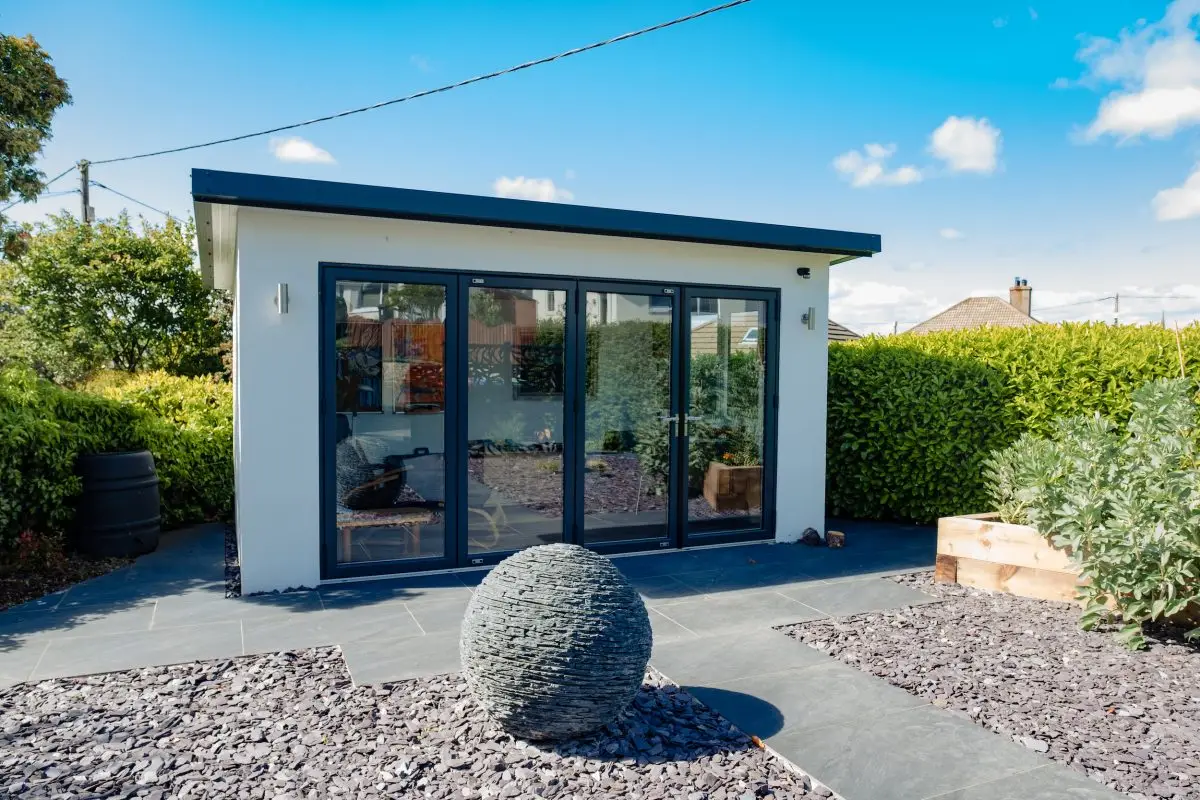
2022 was a great year for Garden Rooms Scotland. A Dumfries success story, with business doubling over 2021 as more and more people look to add a garden room to their home.  The success in 2022 was not a one off, the confirmed order book in January for 2023 alone is more than the turnover achieved in 2021. 


That success is not just down to a great front of house team’s solution design mentality, or the construction team’s hard work in quality construction. Garden Rooms Scotland provides a whole business solution. So where is the growth for Garden Rooms coming from?     


The growth comes not from just a great company but also from several major factors within a market. The growth for Garden Rooms Scotland is no different.  For many established companies’ growth within the outdoor living space sector is significant and is here to stay. Well, at least for the next five years or so if all market projections are to be believed. Why garden rooms are growing, is not down to just one factor, but many inter-related factors which is why growth is not just a blip but a long-term trend for companies set up to maximise this growth market. In response Garden Rooms has built a business to meet that growth curve. 


Rising Demand for Garden Rooms


By far the biggest driver for people buying a garden room is in response to the demand for dedicated work from home space. While 2020 may have been the year of remote working due to Covid, it was just the icing on the cake in growth for the garden room market as work from home became the new normal.

Demand for garden buildings went up by 500% between January and May 2021 at the height of the Pandemic. But it was not a Covid blip, but an emerging long-term trend. A recent TUC survey discovered that more than 38% of people in 2022 in the UK now work from home at least one day a week. By 2025, it is estimated that 70% of the workforce will be working remotely at least five days a month.

The work from home garden office, provides a separate “workplace” replacing the kitchen table worktop. It not only enables people who want to their Zoom conference call in private, but want a permanent workspace differing from their home life. 

Modern buildings provide a series of tangible benefits over old refurbishments. From WIFI, heating and cooling, well insulated and functional design the space works for business people. Garden Rooms also provide a steppingstone to work but without the costly time and financial commute for many professional workers.  Garden Room offices also provide a tranquil workspace, looking out at your garden, creating calm and relaxed workspace, within a few steps of your home.


Space to Add a Garden Room

In places like Dumfries and Galloway, Cumbria, and Northumberland there is also space around many homes. Not just in rural housing but also in towns where many homes until recently were built with sizable gardens and surrounding spaces. This creates options for owners to utilise their spare space for an additional living or work from home space, either as accommodation or for a dedicated activity, from yoga space, music room to art studio. 


Diverse Outdoor Living

Another major factor for many people choosing to add an additional living space is that it adapts what people have saving them having to move to find extra space. “If only we had a …….” Is solved by installing a garden room. Just the cost of moving home is often as much as adding in a new room to an existing property.  Creating a new modern living space within an existing home is also easier as recent planning restrictions have been amended to favour garden room addition.  

Creating dedicated spaces within a garden also creates privacy and can bring a function to a garden as well as a focal point to a garden. Creating a separate functional space brings structure to a garden, adding new functionality to the entire living space without disturbing the existing home. 


Cost Effective Extensions

Starting with the cost of renovation, which has risen our of all expectations, due to labour and materials, with materials alone having risen over 40% since 2020. This makes adapting an existing house now significantly more expensive than adding a garden room option. A comparable construction cost comparison makes an equivalent extension typically 25% more expensive than installing a garden room. 

Coupled to that many older buildings have significant limitations in adaption. Think of old houses with thick load bearing walls, and limited internal room sizes and the attraction of a bespoke design with modern spacious living spaces, well insulated and quickly erected and the rationale for a garden room becomes self-evident.  

Garden Rooms Solution

Designed and built in Dumfries at their dedicated joinery shop, Garden Rooms are designed to be built as modular units which are then constructed onsite.  Bespoke design with innovative solutions Garden Rooms solves people’s living space challenges.  Using clever solution such as ground screw foundations and modular construction saves time and money for customers. This makes the time on site shorter and with low impact on existing gardens and customer’s lives. 

With two showrooms providing a huge range of garden room solutions, customers can visualise and select the size and features they value most in their new garden room. For 2023 Garden Rooms has added new products and features to extend the range and scale of what can be offered.  Garden Rooms is a business going the right direction in the right market at the right time.

To learn about how Richard Gourlay supports and develops successful businesses then contact him by clicking here