values in business matter to customers and employees

Values matter in BUSINESS more than ever before as Ikea have just found out

In today’s information driven world, how you do business matters as much as the business you do, as Ikea the iconic Swedish furniture retailer, has just found out. Ikea’s green credentials have been dealt a massive blow in consumer’s minds. Ikea’s failure to support sustainability in its products leaves customers questioning its real values as a business. Heres, why values matter in BUSINESS more than ever before as Ikea have just found out to their cost!  Here’s why you cannot just talk about values, you must live them! 


Ikea only uses 16% sustainable wood! 


Ikea’s failure to achieve its own most modest target of 30% of its wood products to be from certified sustainable wood, will damage it its credibility heavily with its key audiences. The fact that it only hit 16%, has a massive blow on the values it professes as promoting sustainably sourced materials and to its environmental positioning.  Compare that with Homebase (78%) and B&Q (77%), which won the best green award 2010.


The excuse given in its defensive press statement is that it has sacrificed the values of sustainability for rapid growth and protecting its profitability (£2.3billion). But short term greed like this can cost dearly on both growth and profitability over the long term.


Ikea’s staff not telling the truth 


This corporate failure was made worse by staff telling customers in store that its products are from sustainable sources. When in fact they are from illegal logging in places such as Russia. This insatiable drive for growth, which so often undermines trusted names, may damage the Swedish brand’s position as the leader in the flat pack market significantly.  This expose means that Ikea will now undergo microscopic environmental and customer scrutiny.


Greenwash Marketing is NOT acceptable


Ikea’s soft “long term” aspirational statements on their website with links to the Rainforest Alliance are unlikely to be seen as enough in the modern world where green wash marketing such as this are quickly exposed and penalised. When the spotlight of the green world is turned on, it is difficult to hide in the shade.


The World Bank suddenly in the late 1980’s promoted its ‘green credentials’ by promoting itself as having employed ‘an environmentalist’, to offset its image of chopping down forests for cash crops.  This green wash story was quickly exposed when it was pointed out the World Bank employed some 5,000 economists, what difference would/could one environmentalist make?

 

Values matter in business by Richard Gourlay


Business Values must be transparent


The way you provide your product or service and to whom, says more about you than how much business you do. Being a big turnover company in a highly segmented world is no longer the determinator of success.  How you do your business now determines your current credibility and future success.  Credibility is as much about your values in becoming successful as about the success you have.  The question of size as measured by turnover raises questions about how you do business.


Real Business Values Recognise Real Carbon Footprints


Too often businesses have slick marketing messages, from slogans and statements, rather than understanding what impact they are making on the world in everything they do, their carbon footprint. As Carbon footprint becomes clearer so businesses must adapt to reducing it throughout their entire impact upon the planet and reflecting that in the values they actually demonstrate.


Your values as an organisation as demonstrated by everyone inside your organisation matter to both existing and potential customers in choosing to do business with you. People have choices and they can now exercise them more freely than ever before, and that means customers can access information instantly to make choices that are more informed. Ikea’s staff misinforming undercover Times reporters about their sustainable and certified sourced products at a number of shops are one symptom of Ikea’s rapid growth boardroom culture.


Vision Mission and Values in business Strategic Planning Workshop by Richard Gourlay


Values Must Live In The Moment 


Almost everything in life is in real time and instantly communicated to circles of influence and beyond. A restaurant having  bad night can have a poor reputation before the starter has even been cleared away as customers post live feed back to sites such as Qype or Trip Advisor . Therefore, before the waiter, maitre d’ or chef knows what’s happening the world outside already does by Twitter and Facebook and are cancelling their reservations in their droves.


Why clean lavatories matter?


The old adage that if you want to know how clean the restaurant kitchen is, inspect the lavatories. This is because they tell you how the restaurant values cleanliness, is a great example of modern customer awareness. Do you live your values or just post them on your website? Is the question customers want to know in establishing and experiencing trust with you and your brand.


You can spend as much as you like on your website, Google reviews and trip Advisor comments, but simple first impressions such as the state of lavatories matter more to customers.


Rail companies are learning fast


The recent story of the man on the train talking too loudly causing enraged customers to Tweet  complaints about his behaviour which was picked up by a duty manager hundreds of miles away who then contacted staff on the train to track down the loud caller and asked him to quieten down.


This story is very much testimony to the growing demands of customer expectations, immediate online response, not waiting for passing train staff to react. This story is part of the reputation shift that train companies are actively pursuing.


Values are in the detail


Values matter, they define the real differences between companies. How British Airways treats its customers through the values it embeds in its entire organisation is what makes it different to other premium airlines and distinguishes it from them, and from the bucket providers such as Ryanair.


However, as everyone de-layers in response to changing business models, cost and modernisation requirements, values can be lost in the rush to modernise and compete in new ways. BA’s changes to its premium dinner menu, introducing exotic main courses such as crocodile and ostrich sounded good but simultaneously cutting the After Eights, so there was not to go around 1st class passengers was a classic example of getting its values wrong in its customer’s eyes.


Values Must Involve Everyone in the organisation


If you value your customers then remember everyone needs to smile in their role, if you believe in providing excellent customer service then don’t cut your front of house staff numbers.


Too many companies’ ideas of communicating values are to place a statement on a website, brochure, at reception and on the induction training programme. How many companies look at the strategic advantage of values and embed it into people’s roles, asking staff to define their role by those values by redefining their role to live those values?  How many companies review those values as outcomes in winning and retaining customers?


Business Values as seen by Employees and Customers


Customers, potential and existing, are drowning in choice.  What makes you stand out to them is the values you own and can demonstrate as a business. Statements on walls and websites always sound good, (possibly, because they are written by marketing people who do not work there) but unless the company lives them, then they do more damage than good. Over promising and under delivering is a growing experience for everyone today.


Whether it is a London hotel, stating it’s exclusiveness, as evidenced by its 5 star, pretty pictures on the website of its presidential suite and over the top statements such as “sumptuous 5 star accommodation” the jaw dropping price tag. When you turn up and find a broom cupboard with not enough space to turn around in let alone swing a cat, and you are one of 500+ rooms filled with bus loads of tourist on a package holiday then company values are under pressure.


The same is equally true for staff. Why should people stay loyal to you if you don’t live those values and enshrine them in every one of your people. Do they live it or lip service it?


New company’s leadership must create and live their true values 


New companies have the unbridled opportunity to define their values from the start. By building them into their business model throughout the entire process from the beginning, providing value and clarity with every new role and new person, they can use their values to maximum leverage for attracting their chosen customers and staff.


So Googles’ “DO NO HARM” value won many plaudits, breaking down the concern about the is was then rightly questioned by their policy in China of being seen to be supporting censorship (try typing Tienanmen Square Massacre into Google in China it never happened!).  Now there is a good argument that rightly says any Google is better than no Google, but the contradiction against their stated values upset many Google Supporters elsewhere in the world.


Your values should come from within. What do you stand for? What does your company do? How should everyone do it? What does excellence look like? Some classic questions to understand the values you offer. I often ask people to think of an animal or car which best describes there organisation


Keeping Values Alive       


Established companies inherit values, often without realising they have them in place, “its how we do it around here” type phrases are often values hidden inside everyday activity. Keeping values alive is often hard in rapidly changing under-pressure environments. Changes in leadership, particularly when cross industry leadership is introduced or when new pressures are introduced from changing ownership for example often end up throwing out the hidden value of a brand in the race to achieve short-term results.


Everyone entering a company, particularly top executives, must understand the core heritage values any organisation has, how they are owned and expressed. The best way to achieve that is for new people to present those values back under peer group review and add to them with the changes they intend to introduce. New products / services need to incorporate core values and learn to demonstrate them in new ways as new channels of communication are opened up. Here is a simple checklist for business leaders to use to answer honestly and thoroughly about where you are with your business values.


Values Check List 


  1. Are your values visual to your team and customers? 
  2. Does everyone know your core values, have you checked?
  3. Can all your people translate them into their daily role?
  4. Do people see the company values in other people’s roles within the organisation?
  5. Do customers comment on those values in their dealings with your company in formal and informal feedback channels? 


If you can only answer confidently to points one and two then you are not living your values as a business. If you cannot hand on heart even answer those two, them it’s probably time to look at your values in a lot more detail.  Spend time to think through what you and your business stands for and get in touch if you need any assistance in creating values which matter to you.


Leadership Strategy


Learn more about strategy and leadership and how as a leader to create your strategy, with all the steps to build your own strategy, click here to buy the book now:-
 

Values matter in business more than ever before, red more in Strategy The Leader's Role by Richard Gourlay is a book about business strategy for leaders to grow and develop their strategic plan for their business.
Learn more about business values and cultural impact in Strategy: The Leader’s Role by Richard Gourlay .
Mentoring using teh GROW model to mentor directors

Do you have a vision or are you just a dreamer?

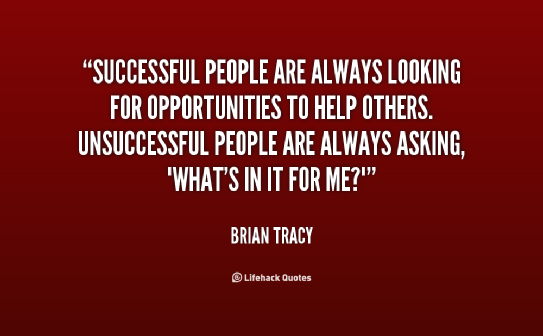
Vision statement by Brian Tracy


Do you have a vision or are you just a dreamer?


No matter how big or small your business is without a clear vision of where you are going owners and directors often fall into the classic trap of just managing from day-to-day.  Do you have a vision or are you just a dreamer? Is a simple question which I ask leaders, and for many it is just a work in progress, in their head. But every business needs great leadership, and for that they need to create a clear business vision, which will make and deliver long term leadership success.


Creating a vision of the Future


Leadership is about investing time to create a clear vision the future. Putting in the effort and resources to see into the future and imagine how things could be. This is as important for success as having real passion for the business today and the determination to create something new for the future.


These three personal qualities of leaders are vital for successful companies and a vision statement, sometimes called “a picture of your company in the future”, but it’s so much more than that.


Vision Statement


Your vision statement is your inspiration, the framework for all your strategic planning. A vision statement may apply to an entire company or to a single division within that company.


The vision statement answers the question, “Where do we want to go?” What you are doing when creating a vision statement is articulating your dreams and hopes for your business. It reminds you of what you are trying to build. A vision statement is for you and the other members of your company, not just for your customers or clients.


Visionary goals should be longer term and more challenging than strategic goals. Collins and Porras describe these lofty objectives as “Big, Hairy, Audacious Goals.” These goals should be challenging enough so that people nearly gasp when they learn of them and realize the effort that will be required to reach them.

Most visionary statements fall into one of the following four categories:


  1. Targeted – quantitative or qualitative goals such as Nike: “To bring inspiration and innovation to every athlete in the world” “If you have a body, you are an athlete.”
  2. Common enemy – focused on overtaking a specific firm, becoming the number one in that sector, such as Amazon: “Our vision is to be earth’s most customer centric company; to build a place where people can come to find and discover anything they might want to buy online.”
  3. Role model – to become like another in a different industry or market, the mirror role, Victoria Beckham (Posh Spice) “Right from the beginning, I said I wanted to be more famous than Persil Automatic”.
  4. Internal transformation – creating internal vision, GE set the goal of “Becoming number one or number two in every market it serves”


While visionary goals may require significant stretching to achieve, many visionary companies have succeeded in reaching them. Once such a goal is achieved, it needs to be replaced; otherwise, it is unlikely that the organization will continue to be successful. The second most dangerous place for a company is to have achieved its only goal, the most dangerous place is never to have had one.


Creating Your Business Vision


Simple steps to creating your vision, ask some simple questions:


  • What will our business look like in 3 to 5 years from now?
  • What new things do we intend to pursue and how?
  • What future customer needs do we want to satisfy?


Write the answers down and focus on developing them into a coherent, motivational and purposeful message which can connect with everyone.


Then Question Yourself To Answer:


  • Does our vision statement provide a powerful picture of what our business will look like in 3 to 5 years from now?
  • Is your vision statement a picture of your company’s future, which everyone can interpret into their role?
  • Does it clarify the business activities to pursue, the desired market position and capabilities you will need


If your statement answers these questions then you have a vision worth owning and sharing. A vision must be motivational to everyone inside an organisation.


DO you have a Vision?


The classic apocryphal story to demonstrate the effectiveness of great visions is about the time President Kennedy visited NASA. During one trip he came across a cleaner sweeping the warehouse floor, and asked him what his job at NASA was. The cleaner replied “My Job is to put a man on the moon, Sir.”


Now I don’t know if this story is true, but it’s inspiring. In a facility full of high-powered individuals and great minds, even the cleaner was completely on board with the strategy. While you may not be planning to put a person on the moon, we can learn a lot from the story. It may sound ridiculous, but every business needs to be a little like NASA.


A great VISION can create an unstoppable company


Every organisation needs to have a clear vision, owned by everyone inside and outside it. An owned and shared vision creates and sustains great morale and internal strength for companies, which can become a powerful and unstoppable force in any market no matter how competitive.


At Cowden we focus on ensuring companies can successfully compete in their chosen or desired market.


Like to learn more? Then get in touch with us at Cowden.


Or learn more about creating your vision and how to lead your organisation with a clear strategy, but my book: click this link or the book cover below 


Strategy The Leader's Role by Richard Gourlay available from Amazon click this link

strategy, leadership and vision in business by Steve Jobs

Values matter in BUSINESS more than ever

Values in Business must be transparent

Business leaders face many challenges, some immediate and others which are not so obvious but can be far more dramatic to business success.  In today’s business world the way you provide your product or service and to whom, says more about you than how much business you do.  How you do your business now determines your current credibility and future success. Credibility is as much about your values in becoming successful as about the success you have. Values in BUSINESS must be transparent and lived by everyone inside the organisation.

Values matter in business like never before, by Richard Gourlay leadership consultant

For longterm success your values as an organisation as demonstrated by everyone inside your organisation matter to both existing, and potential customers, in choosing to do future business with your ad your brand. People have choices and they can now exercise them more freely than ever before, that means customers can access information instantly and make choices that are more informed. Examples such as Ikea’s staff misinforming undercover Times reporters about their sustainable and certified sourced products at a number of shops are one symptom of Ikea’s rapid growth and its underlying boardroom culture, allowing the core values to erode and trust in its reputation suffer. The damage to brand reputation from such as activities such as “greenwashing” create longterm brand damage as brands jump on popularity wagons.

Values Must Live in the Moment

Almost everything in life is in today’s world is in real-time and instantly communicated to circles of ever increasing influence and far beyond. A restaurant having  bad night can have a poor reputation before the starter has even been cleared away, as customers post live feed back to sites such as Qype or Trip Advisor. Therefore, before the waiter, maitre d’ or chef knows what’s happening the world outside, potential customers already do, through instant social media channels such as Twitter and Facebook, and are cancelling their reservations in droves. Live experiences matter when they happen not in the apology afterwards.
Leadership teams must ensure that their business values are being lived ever day in what is called real time. The real experiences customers face every moment are the living touch points of a brand experience.  Asking employees to make decisions and to own the decisions they make is vital for  brand to live in the moment, but they have to be supported by the leadership team and not criticised for making the calls they make. If the call they make is in the best intentions to support the customer but is outside the experience you wanted to give the customer then that is not the employees fault it is leadership teams in designing the experience.

Why clean lavatories matter?

The old adage that if you want to know how clean the restaurant kitchen is, inspect the lavatories! This is because they tell you how the restaurant values cleanliness, is a great example of modern customer awareness of living values. Do you live your values or just post them on your website? Is the question customers want to know in establishing and experiencing trust with you, and your brand.
Seeing under the skin of a brand, or behind the marketing facade a brand promotes is now easy due to transparency in legislation, global media sources and a digital world. There are few places to hide as a brand in what and how they undertake their operations. From sweat shop labour, to brown paper envelopes down to paying influencers there are no places to hide, that’s why clean lavatories matter to customers.

Rail companies learning fast

A recent story of the man on the train talking too loudly causing enraged customers to Tweet complaints about his behaviour which was picked up by a duty manager hundreds of miles away who then contacted train’s conductor to track down the loud caller and asked him to quieted down.
This story is very much testimony to the growing demands of customer expectations, immediate online response, not waiting for passing train staff to react. This story is part of the reputation shift that train companies are actively pursuing to listen and understand customer’s real needs and expectations.
Values in Business must be owned and lived from the top.
The values that a business lives really matter to customers and to the brand reputation. Values are not bland statements in brochures, websites or company walls, but living attributes in how people behave (even when no-one is looking). Values start at the top, and must be owned, lived and driven by the leadership of an organisation. It is no-one else’s responsibility but the leadership’s to ensure they establish, spread and re-enforce those values throughout their people.
Learn more about strategy and how to build yours in your business, click here or on the book below.
Strategy The Leader's Role By Richard Gourlay
Strategy: The Leader’s Role by Richard Gourlay