Mentoring using teh GROW model to mentor directors

Do you have a vision or are you just a dreamer?

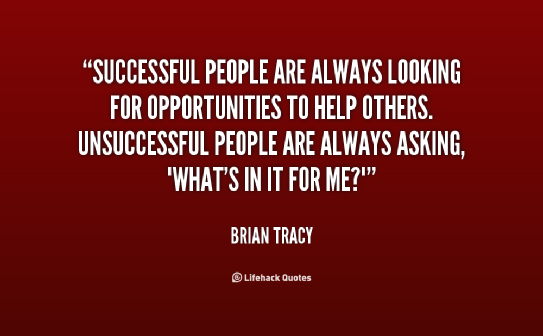
Vision statement by Brian Tracy


Do you have a vision or are you just a dreamer?


No matter how big or small your business is without a clear vision of where you are going owners and directors often fall into the classic trap of just managing from day-to-day.  Do you have a vision or are you just a dreamer? Is a simple question which I ask leaders, and for many it is just a work in progress, in their head. But every business needs great leadership, and for that they need to create a clear business vision, which will make and deliver long term leadership success.


Creating a vision of the Future


Leadership is about investing time to create a clear vision the future. Putting in the effort and resources to see into the future and imagine how things could be. This is as important for success as having real passion for the business today and the determination to create something new for the future.


These three personal qualities of leaders are vital for successful companies and a vision statement, sometimes called “a picture of your company in the future”, but it’s so much more than that.


Vision Statement


Your vision statement is your inspiration, the framework for all your strategic planning. A vision statement may apply to an entire company or to a single division within that company.


The vision statement answers the question, “Where do we want to go?” What you are doing when creating a vision statement is articulating your dreams and hopes for your business. It reminds you of what you are trying to build. A vision statement is for you and the other members of your company, not just for your customers or clients.


Visionary goals should be longer term and more challenging than strategic goals. Collins and Porras describe these lofty objectives as “Big, Hairy, Audacious Goals.” These goals should be challenging enough so that people nearly gasp when they learn of them and realize the effort that will be required to reach them.

Most visionary statements fall into one of the following four categories:


  1. Targeted – quantitative or qualitative goals such as Nike: “To bring inspiration and innovation to every athlete in the world” “If you have a body, you are an athlete.”
  2. Common enemy – focused on overtaking a specific firm, becoming the number one in that sector, such as Amazon: “Our vision is to be earth’s most customer centric company; to build a place where people can come to find and discover anything they might want to buy online.”
  3. Role model – to become like another in a different industry or market, the mirror role, Victoria Beckham (Posh Spice) “Right from the beginning, I said I wanted to be more famous than Persil Automatic”.
  4. Internal transformation – creating internal vision, GE set the goal of “Becoming number one or number two in every market it serves”


While visionary goals may require significant stretching to achieve, many visionary companies have succeeded in reaching them. Once such a goal is achieved, it needs to be replaced; otherwise, it is unlikely that the organization will continue to be successful. The second most dangerous place for a company is to have achieved its only goal, the most dangerous place is never to have had one.


Creating Your Business Vision


Simple steps to creating your vision, ask some simple questions:


  • What will our business look like in 3 to 5 years from now?
  • What new things do we intend to pursue and how?
  • What future customer needs do we want to satisfy?


Write the answers down and focus on developing them into a coherent, motivational and purposeful message which can connect with everyone.


Then Question Yourself To Answer:


  • Does our vision statement provide a powerful picture of what our business will look like in 3 to 5 years from now?
  • Is your vision statement a picture of your company’s future, which everyone can interpret into their role?
  • Does it clarify the business activities to pursue, the desired market position and capabilities you will need


If your statement answers these questions then you have a vision worth owning and sharing. A vision must be motivational to everyone inside an organisation.


DO you have a Vision?


The classic apocryphal story to demonstrate the effectiveness of great visions is about the time President Kennedy visited NASA. During one trip he came across a cleaner sweeping the warehouse floor, and asked him what his job at NASA was. The cleaner replied “My Job is to put a man on the moon, Sir.”


Now I don’t know if this story is true, but it’s inspiring. In a facility full of high-powered individuals and great minds, even the cleaner was completely on board with the strategy. While you may not be planning to put a person on the moon, we can learn a lot from the story. It may sound ridiculous, but every business needs to be a little like NASA.


A great VISION can create an unstoppable company


Every organisation needs to have a clear vision, owned by everyone inside and outside it. An owned and shared vision creates and sustains great morale and internal strength for companies, which can become a powerful and unstoppable force in any market no matter how competitive.


At Cowden we focus on ensuring companies can successfully compete in their chosen or desired market.


Like to learn more? Then get in touch with us at Cowden.


Or learn more about creating your vision and how to lead your organisation with a clear strategy, but my book: click this link or the book cover below 
 

Strategy The Leader's Role by Richard Gourlay available from Amazon click this link

Business mission or just a dreamer in business by Richard Gourlay #Sheffield, #Chesterfield, UK

Are you on a MISSION or just a dreamer as a Business Leader?

One of the most important pieces of any good business plan is to define what you do and where you are going as a business. If you do not define what you do and where you are going then why should people work with you or for you? Defining your purpose as a business is the clearest statement of intent any director or owner of a business can make, and yet one of the most misunderstood and avoided pieces of any business plan. This is the mission statement which everyone in a company should be able to relate to and believe in.

Why is it avoided? In my experience directors are most often frightened of making a commitment of what they stand for so as not to alienate any existing or potential customers who may not fit the proposed mission statement. This contradiction, not wanting to say what the primary goal of a business or organisation is, means that many company’s try to be everything to everyone, ending up being meaningless to everyone.

Mission Failure

This failure to define a mission is also one of the biggest limitations companies and organizations have in creating clear blue water between them and other players in their market. It is why so many companies struggle to stand out and then expect someone in marketing to try to answer that question sometime later. Marketing does not define the purpose of any business or organization, they may influence it, but it takes leadership from the top for a mission statement to be successful.

Missions fail if they are not believed in by the employees and customers, or experienced in how an organisation looks to deliver its products and services. They are not just slogan on a wall or a website.

Mission Statement

A good mission statement is clear, unambiguous, engaging and relevant to all its key audiences: namely its leadership, senior management, employees, shareholders and customers. A mission and a vision (but more of that later) provides a central definition of what a business or organization delivers.

Creating a Successful Mission Statement

Here’s a quick-step guide to creating a mission statement.

  1. First identify your organization’s “strategic advantage” what makes you successful. This is the idea or approach that makes your organization stand out from its competitors; the reason that customers prefer you and not your competitors, what makes you unique, what are your core competencies?
  2. Secondly, identify the key measures of your success. Key success measures by which you can measure, Key Performance Indicators (KPI’s), typically pick 3 to 5 headline measures of performance.
  3. Thirdly combine your strategic advantage and success measures (KPI’s) into tangible and measurable goal.
  4. Define the wording, using clear language, until you have a concise and precise statement of your mission, which expresses your ideas, measures, and desired result.
  5. Now communicate the mission statement effectively so everyone owns the mission statement within the company, make it public and ensure it is owned from the top with passion.

Communicating mission statements effectively to everyone is a defining piece of making the mission live. After all the hard work in having one so often they are filed away, or framed and stuck on the wall and forgotten. Instead successful Mission statements are launched to everyone and owned.

I’ve run embedding program within companies to ensure that everyone inside businesses and organizations “own” the Mission and build it into their everyday activity.

If you don’t follow through then all the effort is wasted and the opportunity is lost, so remember to focus on making your mission statement memorable and relevant. The leadership also needs to own the mission statement and make it live throughout the company.

A Mission Creates Focus and Loyalty

If you do this businesses and companies can achieve significant improvements which can include: building higher loyalty from staff, higher levels of customer service; improved stakeholder and channel support and lower costs for winning new higher value customers. These are just some examples of the benefits from having and using a mission statement successfully at the front end, one other major advantage is that you have a foundation upon which to build your business plan.

Good Luck: Want to develop your growth plan, use my business planning tool kit, click here to Take the guess work out of your business success   or click this link to learn how to greta your own business strategy:-

Strategy The Leader's Role by Richard Gourlay

Successful Leaders Plan Their Business

Business Planning

Business planning often gets a bad press.  Yet those who do sit down and plan their business are so much more focused, confident, and successful than those who float along with the economic tide. Successful leaders plan their business, so they can focus on leading their team to deliver their plan. Over the past ten years as a strategic planner we’ve worked with hundreds of business owners and seen how those that create a plan and implement it. Those that plan their business do so much better than those owners who try aimlessly lead their business on a wing, a prayer or a dream.  Successful leader’s plan their business, so that everyone knows where they are going what their role is in achieving that success. The way forward in business, clear vision and direction supported by a supportive culture and a clear business plan According the latest BERR report, Small and Medium-sized Enterprises (SME’s) together accounted for 99.9 per cent of all enterprises, 59.8 per cent of private sector employment and 49.0 per cent of private sector turnover. SME’s really do matter to the British economy, and yet they receive little effective support from Government agencies despite being the backbone of the economy, employment, and innovation.

Why Business Leader’s Don’t Plan

“If you don’t make things happen, things will happen to you” Lanes Company Having questioned business owners over the last decade the reasons why owners have not put a plan in place and then executed it, the excuses range from not having the skills, make the time, or have the conviction of their thoughts. Owners know they should have a plan ‘we had one when we first started, but have not looked at it since’ is a common theme. The other is being too busy fire fighting to realise that preventing fires starting, is the best way to not have to fight them. Do business owners not see the value in developing a plan for their business? On the other hand, is the classic perception for business owners that frenetically staying alive is seen as being successful? For many not knowing how to plan is one major reason why people haven’t and don’t plan their business.  Where to start, and how to know what they are trying to achieve immediately puts people of planning.
Faults in Business Planning
Business planning is also often at fault here.  The most common reason new start up businesses create a business plan is to secure funding from banks, that’s when banks did fund business start-ups (now they just offer a high interest mortgage backed by the Government). Therefore, once people have received funding they no longer see the main advantages of planning (and the real advantages are not around money).

Business planning by Richard Gourlay creates a clear path and direction for your business.

Business Planning Skills – Have some GOALS

“The discipline of writing something down is the first step toward making it happen.” – Lee Iacocca Planning takes time, resources, (grey stuff) not the executive trip to some exotic away weekend planning, but some time allocated to review where you are as a business, how your sector and industry are performing and what you want to achieve in the future. Whether it is looking at the next year or planning the next five years, everyone who owns or directs a business is responsible for setting its direction. However, just having a plan in your head, with the classic defence of ‘its flexible at the moment’ is either ducking the responsibility or deluding themselves. The only way to have a plan rather than a dream is to have it written down, turned (if it is not already) into an action plan which is resourced and owned by someone to deliver. Only then do businesses go forward in a deliberate purposeful way. Only then do the right things happen because you made them happen and only then can everyone, employees, shareholders, customers, channel partners and even other halves, see your dream, share your dream, deliver your dream. That’s when planning works. It is a written document, which lives within your company, and it doesn’t matter if you are a one-man (woman) band or running a multi-national Plc.

What Business Planning Delivers

A clear business plan is the result of a process. It starts with thinking, then writing it down. That commitment itself is a sense-check, it creates a reality and makes the writer accountable for their thoughts. By writing down your business plan a leader takes a dream and begins to make it a reality. Others can see, critically evaluate, and judge the business idea and review the opportunity the plan intends to address. By doing this a business idea is viewed in the round, looking not only at the idea, but the actuality of what needs ot happen across all busienss area functions to turn the idea into reality.
“In the absence of clearly-defined goals, we become strangely loyal to performing daily trivia until ultimately we become enslaved by it.” – Robert Heinlein
business planning, business plan, the elements of a business model Planning provides focus in strategic direction.  It provides clarity of where the business is and where it is going as well as a vehicle for getting from where you are to where you want to be. Planning time out of the business provides time to reflect on personal and corporate goals, time to share and channel new ideas while reviewing existing activities. Planning in a structured and open format develops clarity of purpose and a clear understanding of the organisational and individual skills people have and can use to leverage advantage. Bringing in outside views widens the planning horizon, a fresh perspective to drive businesses forward. This is why many successful businesses use non-executive directors or outside specialists to help drive their business forward. That is one reason why so many people volunteer to get support from people like the Dragons from Dragon’s Den, they are looking for expertise and advice which gives them confidence to go forward as much as the money.
Plan More For Success
British business owners need to plan more often to keep being successful. Good planning creates and sees opportunities as owners and directors lift their heads up from the daily grindstone. How often should you plan? Well it all depends on the speed of your market’s evolution, but even stable and stagnant businesses should review their business every year, and not just a light dusting (add ten percent and change the year) but strategically review what and how well they are doing. It is only by looking for fresh opportunities and how to take best advantage of them, by planning your business around those opportunities, that companies successfully compete in today’s business environment.

Business Planning is not a four letter word

“An organization’s ability to learn, and translate that learning into action rapidly, is the ultimate competitive advantage” Jack Welch

The old adage, compete or get beat, is more relevant today than it has ever been. The rise of the Internet means there are no secrets, competitive advantage lies with those who can see an opportunity and adapt fastest to take advantage of it. Those owners and directors who see and go for opportunities become the stronger ones.  That is where good strategic business planning provides it real advantage. That’s why successful leaders plan their business to achieve that success. By orientating a company to where it can retain better, win new and develop existing customers companies that plan their success out compete in their sector, and equally importantly have everyone focused on where they are going. From the smallest to the biggest every business needs to have a plan that is written down, owned and guiding your business in the direction you want it to go. Good Luck
Richard Gourlay
@richardgourlay www.cowdenconsulting.com
Vision to make change n business by Richard Gourlay

A good business has clear objectives and goals to achieve.

For leadership teams planning a business is focused around the annual exercise of business planning.  Reviewing what went well and what did not, reviewing the overall performance of the organisation, its profits (or losses) and deciding what to do differently and what to keep the same for the forthcoming year. That’s why a good business has clear objectives and goals to achieve.
One key area which good leadership teams consistently get right is in rolling out the right measures, both soft and hard measures of performance inside a business plan. Cascading business plan objectives down to department and down to personal performance objectives are the vital element in implementing a business plan successfully. The key ones include refreshing the vision and connecting clear objectives and soft and hard metrics together to all levels of the organisation.

Business Goals

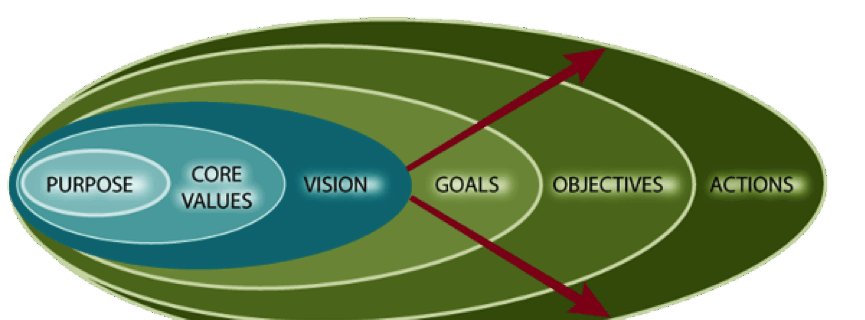
Having a vision is vital to be successful in the long term, but having objectives will ensure you get you there. Clear milestones for everyone inside your company, top to bottom are the essential component of a successful company. Every successful company has clear goals, strategic ones the outrageous ones (global domination) through to achievable tactical objectives.

Without clear (SMART, see below) objectives a company will loose focus on its goals. Poor or non-specific objectives companies can fall victim to strategic drift, this month’s whim and next month’s quick idea.  The failure to cascaded objectives at every level allows good people’s morale and confidence to fall. This is because they cannot see where how they are contributing to the company’s success. Everyone should know how they contribute to the business plan’s success. Failing to set clear objectives in a business plan creates a path to failure in execution and devalues the process of business planning and it becomes a waste of paper, time and effort.

Business Objectives

Objectives should be like a pyramid, with the big objectives at the top, but at every layer underneath there should be the sub objectives that make the bigger one happen. A well run organisation should therefore look like a pyramid, in terms of objectives, with everyone working on their goals which build up together to achieve the big picture goals. This form of management managing by objectives MBO, (not to be confused with a management buy-out MBO), allows people to focus on their objectives, which are aligned to higher goals.
Try not to have too many objectives to achieve. I always recommend no more than 5 per person. The reason why 5? Because it keeps people focused and not drowned in statistics. Even at the company level remember the old KISS concept of simplicity, if you have page after page of objectives some will suffer unless you can resource them. Focus on what really matters to the business, what drives performance and how are they made up. For people think about their Key Performance Indicators, KPI’s they are doing a good job if… Classical KPI’s usually include: revenue, margin, customer numbers, retention, growth, production, saving, are amongst the most common.

Setting Business Objectives

High performance companies often drive all their goals by setting team objectives which are then broken down into Key Performance Indicators (KPIs) for each individual employee. Try not to give any individual or manager too many. An easy way to achieve that is to ensure they can remember and recall them with ease when you meet them.

The benefits of setting good objectives:

1.       Objectives define the entire purpose of your business (or unit) in a couple of sentences or bullet points or set of numbers.
2.       Objectives are often identified as key performance indicators at the individual persons performance.
3.       The objectives that you set determine the quality of the strategy or tactics that you will adopt.
4.       Goals allow leaders to Manage By Objectives MBO. This avoids time in argument and also helps in introducing a more participative management culture where employees are encouraged to set their own objectives.
5.       Clear KPI’s per person is a successful way to evaluate performance as long as the KPI’s are numerate or translatable into a numerate language.
Remember SMART criteria to define attributes of good objectives:
That is:
·         Specific
·         Measurable
·         Achievable
·         Realistic
·         Timely

Achievable Goals

If goals and objectives are not SMART then they are unlikely to be achievable.  Being better or good for example is too often quoted as a goal or objective, and while that is a statement of direction it is not a clear viable goal or objective. SMART goals and objectives are tangible they are a defined quantifiable number or a supported qualitative measure compared to an existing one.
Goals must be achievable. But for that to happen they must be quantifiable, either numerate or benchmarked compared to a previous number and deliverable within the timeframe to the standard required.

SMART criteria include:
1.       Both short range and long range targets should be set.
2.       Both quantitative and qualitative
3.       Clear. Put them in writing, to be achieved within a specified time frame.
4.       Measurable. So that they can be compared with actual results.
5.       Challenging. This is so that staff will put greater effort and be more motivated.
6.       Achievable. Avoid overly optimistic goals as this might be counter productive due to their demotivating nature.
Goals should be realistic, reasonable, reachable and beatable. Avoid hidden goals and don’t be over specific.
Hope that gets you thinking? Want to learn more then contact us or click here