Business mission or just a dreamer in business by Richard Gourlay #Sheffield, #Chesterfield, UK

Are you on a MISSION or just a dreamer as a Business Leader?

One of the most important pieces of any good business plan is to define what you do and where you are going as a business. If you do not define what you do and where you are going then why should people work with you or for you? Defining your purpose as a business is the clearest statement of intent any director or owner of a business can make, and yet one of the most misunderstood and avoided pieces of any business plan. This is the mission statement which everyone in a company should be able to relate to and believe in.

Why is it avoided? In my experience directors are most often frightened of making a commitment of what they stand for so as not to alienate any existing or potential customers who may not fit the proposed mission statement. This contradiction, not wanting to say what the primary goal of a business or organisation is, means that many company’s try to be everything to everyone, ending up being meaningless to everyone.

Mission Failure

This failure to define a mission is also one of the biggest limitations companies and organizations have in creating clear blue water between them and other players in their market. It is why so many companies struggle to stand out and then expect someone in marketing to try to answer that question sometime later. Marketing does not define the purpose of any business or organization, they may influence it, but it takes leadership from the top for a mission statement to be successful.

Missions fail if they are not believed in by the employees and customers, or experienced in how an organisation looks to deliver its products and services. They are not just slogan on a wall or a website.

Mission Statement

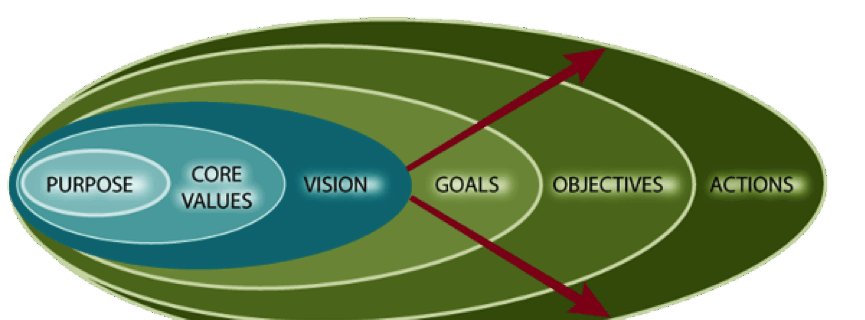
A good mission statement is clear, unambiguous, engaging and relevant to all its key audiences: namely its leadership, senior management, employees, shareholders and customers. A mission and a vision (but more of that later) provides a central definition of what a business or organization delivers.

Creating a Successful Mission Statement

Here’s a quick-step guide to creating a mission statement.

  1. First identify your organization’s “strategic advantage” what makes you successful. This is the idea or approach that makes your organization stand out from its competitors; the reason that customers prefer you and not your competitors, what makes you unique, what are your core competencies?
  2. Secondly, identify the key measures of your success. Key success measures by which you can measure, Key Performance Indicators (KPI’s), typically pick 3 to 5 headline measures of performance.
  3. Thirdly combine your strategic advantage and success measures (KPI’s) into tangible and measurable goal.
  4. Define the wording, using clear language, until you have a concise and precise statement of your mission, which expresses your ideas, measures, and desired result.
  5. Now communicate the mission statement effectively so everyone owns the mission statement within the company, make it public and ensure it is owned from the top with passion.

Communicating mission statements effectively to everyone is a defining piece of making the mission live. After all the hard work in having one so often they are filed away, or framed and stuck on the wall and forgotten. Instead successful Mission statements are launched to everyone and owned.

I’ve run embedding program within companies to ensure that everyone inside businesses and organizations “own” the Mission and build it into their everyday activity.

If you don’t follow through then all the effort is wasted and the opportunity is lost, so remember to focus on making your mission statement memorable and relevant. The leadership also needs to own the mission statement and make it live throughout the company.

A Mission Creates Focus and Loyalty

If you do this businesses and companies can achieve significant improvements which can include: building higher loyalty from staff, higher levels of customer service; improved stakeholder and channel support and lower costs for winning new higher value customers. These are just some examples of the benefits from having and using a mission statement successfully at the front end, one other major advantage is that you have a foundation upon which to build your business plan.

Good Luck: Want to develop your growth plan, use my business planning tool kit, click here to Take the guess work out of your business success   or click this link to learn how to greta your own business strategy:-

Strategy The Leader's Role by Richard Gourlay

Mentoring using teh GROW model to mentor directors

A good business starts with the EXIT in mind, THINK EXIT

Here’s a simple question to any business owner, why are you in business? The flippant answer I often hear is to make money.  An honest, if not inspiring answer.  But there is a fundamental flaw in that statement which many business owners fails to comprehend. They start a business, typically through experience in, or a passion for the field or because they have seen an opportunity to make money, but fail to achieve that ultimate goal because they fail to plan their end, their exit strategy. Thinking through your exit plan from your business should start when you plan your business on day 1, not wait until the end if you want to leave on your terms. Learn more about a good business starts with the exit in mind, THINK EXIT

Are you YOUR business?

If you can’t get out making the money you intended to when you sell up then why did you set up the business in the first place?  You have a great idea, you work on it, and spend your energy (and life) building your business until it becomes you.  It succeeds and you enjoy the lifestyle it brings.  Then the real challenge of maximising that income to free yourself up and retire or do something else begins.

That final stage often becomes impossible because you are the business and it is you, its lifeblood, main cheerleader and driving engine. To any potential buyer, they see that you are the business, its key asset and real value. This is why buy-out clauses often tie-in existing business owners so that the value that the former owner delivers can be transferred to the new owner. This is a typical scenario of being a successful business owner.

Business owners are driven by the passion to run the business day-to-day. This often overshadows the failure to plan the owner’s exit strategy from the start. To achieve that, owners must build a business with the clear objective to enable the owner to get out and maximising the sale value from what they have achieved. Nearly all business owners focus on building a successful business, but not on making sure they maximise their returns from the successful ownership of the business they exit.

Exit Strategy Planning

The real payback from all that hard work in creating and setting up a business for an entrepreneur is the final payback. It is in the shareholder value being realised by a sale of that business. Few owners think about realising their shareholder value, being more interested in the Profit & Loss than the Balance Sheet when making key decisions about the business.

That approach is effectively summarised in the phrase; the turnover is vanity, profit is sanity and cash is king. This great motto in the running of any business. But it does not hold true in achieving exit strategy success as a business owner.

Exit Strategy: think like a Shareholder

Achieving shareholder success is the only motto to follow if you want to have a saleable asset.  Owners need to focus on developing an exit strategy which achieves their personal goals.  While profit and cash rule the day, building a valuable asset requires building shareholder value, through building sustainable long-term profitability.

Success in business requires owners to build a business which you own but are not concreted into the business foundations. Building a forward strategy for your business is a vital first step in building your exit strategy.  It is the old adage that you need to work on your business not in your business for success. This great motto underpins successful entrepreneurs.

THINK EXIT is Long-Term Thinking

Short-term profitability is always an important goal. But long-term share value is a strategic consideration which owners need to consider in building the value of their business. SO a good business starts with the end in mind, THINK EXIT.

If you would like to discuss this article further or further information about our services in working with business owners in achieving  successful exit strategies then contact us at enquiries@cowdenconsulting.com or see our contact page for further options.

Like to learn more about creating and leading a business, with a successful exit strategy in place? Then click here to buy the book with all the tools you need to become a better leader: Strategy The Leader’s Role by Richard Gourlay

Read more “A good business starts with the EXIT in mind, THINK EXIT”

Leadership Development by Richard Gourlay

Business Success: Starts with the END in mind

Here’s a simple question to ask any business owner, why are you in business? The answer to such a simple question can be very enlightening. The flippant answer is to make money: an honest, if not inspiring answer; but there is a fundamental flaw in that statement which many business owners fails to comprehend. They start a business, typically through experience in, or a passion in the field or because they have seen an opportunity to make money, but fail to achieve that ultimate goal because they fail to plan their exit strategy.  Planning your exit strategy on day one of setting up upper business is the hidden key to business success. So remember that business success: starts with the END in mind.

Start with the END in Mind: Strategy

Most business owners focus solely on profitability as their key measure of success. Yet making a profit from a business is more than just yearly profitability. It is also about building a business which is an asset that your target buyer is looking to buy. If you can’t get out making the money you intended to when you sell up, then why did you set up the business in the first place?

You have a great idea, you work on it, and spend your energy (and life) building it until it becomes you.  It succeeds, and you enjoy the lifestyle it brings then the challenge of maximising that income to free yourself up and retire or do something else with your success.  That final stage often becomes impossible because you are the business and it is you, its lifeblood, main cheerleader and driving engine.

This typical scenario of being a business owner, is driven by the passion to run the business day-to-day overshadowing the failure to plan your exit strategy from the start. That is building a business with a clear objective to enable the owner to get out and maximising their income from what they have achieved. Nearly all business owners focus on building a successful business, but not on making sure they maximise their returns from the successful ownership of the business.

Business success starts with the END in mind by Richard Gourlay strategy planner for business owners

The END in mind

The real payback from all that hard work in creating and setting up a business for an entrepreneur is the final payback, the exit payoff.   It is the value creation in within the business, the shareholder value being realised by a sale of that business, which makes al the hard work worth it.  Few owners think about realising their shareholder value. Most being more interested in the Profit and Loss than the Balance Sheet when making key decisions about the business. That approach is effectively summarised in the phrase;

Turnover is vanity,

Profit is sanity but

Cash is king,

This great motto in the running of any business successfully. Cash flow is the lifeblood of business success. But, this does not hold true in achieving a successful exit strategy. Success as a business owner is not measured by turnover, profit margins or the mountain of cash your business generates, but what the business delivers back to those who own it. So I would add to that classic phrase;

true business success is the shareholder value it generates.

Achieving shareholder success is the key motto to follow if you want to have a saleable asset. Shareholder value reflects the true value of your business when you decide to sell up and move on.

Business Success

Business owners need to focus on developing an exit strategy from day one which will enable them to achieve their personal goals.  While profit and cash rule the day, building a valuable asset requires building shareholder value, through building sustainable long-term profitability. Building the business assets, the real shareholder value, needs to include strategies around Intellectual Property (IP), long term profitable contracts, strategic relationships and operational excellence that maximise the company’s value to targeted purchasers.

Successful Business Planning: Starts with the End in mind

Success in business requires owners to build a business which you own, but one you are not concreted into the foundations of its success. Building a forward strategy for your business is a vital first step in building your exit strategy, it is the old adage that you need to work on it not in it which underpins all successful entrepreneurs.  

Building the forward strategy to exit, is therefore different that just building a successful business. Planning from start to exit, means focusing on the exit strategy requirement of increasing shareholder value which is recognised as valuable assets by target buyer audiences.

Short-term profitability is always an important goal, but long-term share value is a strategic consideration which owners need to consider in building the value of their business. If you would like to discuss this article further or further information about our services in working with business owners in achieving  successful exit strategies then contact us at enquiries@cowdenconsulting.com or see our contact page for further options.

Successful Leaders Plan Their Business

Business Planning

Business planning often gets a bad press.  Yet those who do sit down and plan their business are so much more focused, confident, and successful than those who float along with the economic tide. Successful leaders plan their business, so they can focus on leading their team to deliver their plan. Over the past ten years as a strategic planner we’ve worked with hundreds of business owners and seen how those that create a plan and implement it. Those that plan their business do so much better than those owners who try aimlessly lead their business on a wing, a prayer or a dream.  Successful leader’s plan their business, so that everyone knows where they are going what their role is in achieving that success. The way forward in business, clear vision and direction supported by a supportive culture and a clear business plan According the latest BERR report, Small and Medium-sized Enterprises (SME’s) together accounted for 99.9 per cent of all enterprises, 59.8 per cent of private sector employment and 49.0 per cent of private sector turnover. SME’s really do matter to the British economy, and yet they receive little effective support from Government agencies despite being the backbone of the economy, employment, and innovation.

Why Business Leader’s Don’t Plan

“If you don’t make things happen, things will happen to you” Lanes Company Having questioned business owners over the last decade the reasons why owners have not put a plan in place and then executed it, the excuses range from not having the skills, make the time, or have the conviction of their thoughts. Owners know they should have a plan ‘we had one when we first started, but have not looked at it since’ is a common theme. The other is being too busy fire fighting to realise that preventing fires starting, is the best way to not have to fight them. Do business owners not see the value in developing a plan for their business? On the other hand, is the classic perception for business owners that frenetically staying alive is seen as being successful? For many not knowing how to plan is one major reason why people haven’t and don’t plan their business.  Where to start, and how to know what they are trying to achieve immediately puts people of planning.
Faults in Business Planning
Business planning is also often at fault here.  The most common reason new start up businesses create a business plan is to secure funding from banks, that’s when banks did fund business start-ups (now they just offer a high interest mortgage backed by the Government). Therefore, once people have received funding they no longer see the main advantages of planning (and the real advantages are not around money).

Business planning by Richard Gourlay creates a clear path and direction for your business.

Business Planning Skills – Have some GOALS

“The discipline of writing something down is the first step toward making it happen.” – Lee Iacocca Planning takes time, resources, (grey stuff) not the executive trip to some exotic away weekend planning, but some time allocated to review where you are as a business, how your sector and industry are performing and what you want to achieve in the future. Whether it is looking at the next year or planning the next five years, everyone who owns or directs a business is responsible for setting its direction. However, just having a plan in your head, with the classic defence of ‘its flexible at the moment’ is either ducking the responsibility or deluding themselves. The only way to have a plan rather than a dream is to have it written down, turned (if it is not already) into an action plan which is resourced and owned by someone to deliver. Only then do businesses go forward in a deliberate purposeful way. Only then do the right things happen because you made them happen and only then can everyone, employees, shareholders, customers, channel partners and even other halves, see your dream, share your dream, deliver your dream. That’s when planning works. It is a written document, which lives within your company, and it doesn’t matter if you are a one-man (woman) band or running a multi-national Plc.

What Business Planning Delivers

A clear business plan is the result of a process. It starts with thinking, then writing it down. That commitment itself is a sense-check, it creates a reality and makes the writer accountable for their thoughts. By writing down your business plan a leader takes a dream and begins to make it a reality. Others can see, critically evaluate, and judge the business idea and review the opportunity the plan intends to address. By doing this a business idea is viewed in the round, looking not only at the idea, but the actuality of what needs ot happen across all busienss area functions to turn the idea into reality.
“In the absence of clearly-defined goals, we become strangely loyal to performing daily trivia until ultimately we become enslaved by it.” – Robert Heinlein
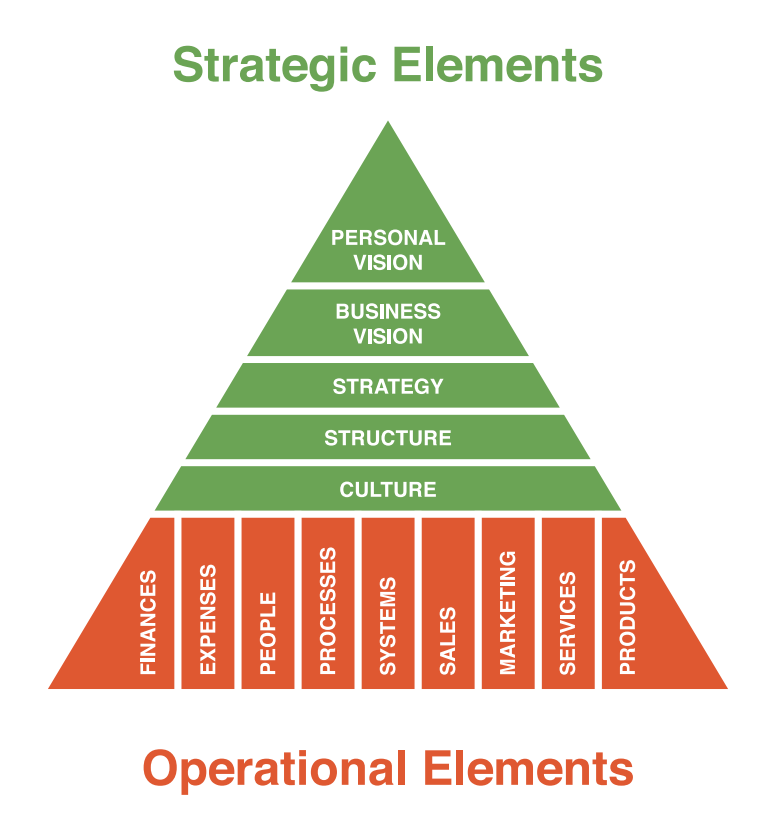
business planning, business plan, the elements of a business model Planning provides focus in strategic direction.  It provides clarity of where the business is and where it is going as well as a vehicle for getting from where you are to where you want to be. Planning time out of the business provides time to reflect on personal and corporate goals, time to share and channel new ideas while reviewing existing activities. Planning in a structured and open format develops clarity of purpose and a clear understanding of the organisational and individual skills people have and can use to leverage advantage. Bringing in outside views widens the planning horizon, a fresh perspective to drive businesses forward. This is why many successful businesses use non-executive directors or outside specialists to help drive their business forward. That is one reason why so many people volunteer to get support from people like the Dragons from Dragon’s Den, they are looking for expertise and advice which gives them confidence to go forward as much as the money.
Plan More For Success
British business owners need to plan more often to keep being successful. Good planning creates and sees opportunities as owners and directors lift their heads up from the daily grindstone. How often should you plan? Well it all depends on the speed of your market’s evolution, but even stable and stagnant businesses should review their business every year, and not just a light dusting (add ten percent and change the year) but strategically review what and how well they are doing. It is only by looking for fresh opportunities and how to take best advantage of them, by planning your business around those opportunities, that companies successfully compete in today’s business environment.

Business Planning is not a four letter word

“An organization’s ability to learn, and translate that learning into action rapidly, is the ultimate competitive advantage” Jack Welch

The old adage, compete or get beat, is more relevant today than it has ever been. The rise of the Internet means there are no secrets, competitive advantage lies with those who can see an opportunity and adapt fastest to take advantage of it. Those owners and directors who see and go for opportunities become the stronger ones.  That is where good strategic business planning provides it real advantage. That’s why successful leaders plan their business to achieve that success. By orientating a company to where it can retain better, win new and develop existing customers companies that plan their success out compete in their sector, and equally importantly have everyone focused on where they are going. From the smallest to the biggest every business needs to have a plan that is written down, owned and guiding your business in the direction you want it to go. Good Luck
Richard Gourlay
@richardgourlay www.cowdenconsulting.com