Growth planning in business

Turnaround Your Business: The Garden Rooms Case Study

Case Study a Garden Rooms business in Scotland
Turnaround Your Business with Richard Gourlay

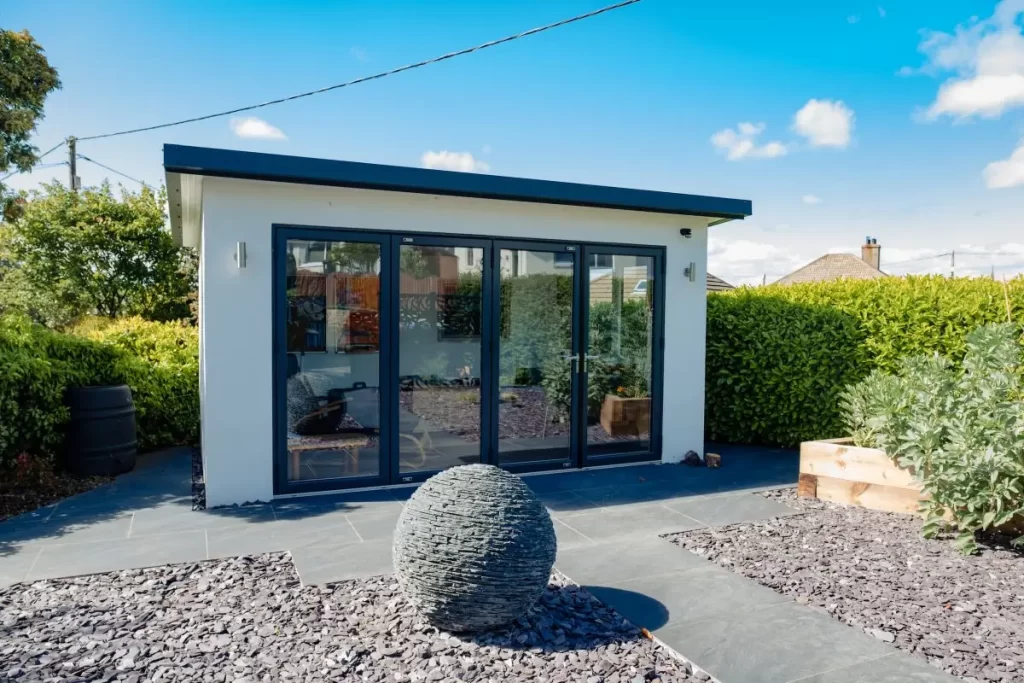
A Garden Room

Turnaround Your Business

The owner of a Garden Rooms business in Scotland approached me to turnaround his business. Operating in a potentially growing market designing home garden rooms, such as offices, bedrooms and gyms while also still building home extensions. He was struggling to run these businesses, spending most time running around firefighting and dealing with unhappy customers. To turnaround your business often external advice and active support is essential, here’s why.

The Situation

The owner was trying to run too much at the same time, which put him under: –

  • Financial pressures: no real financial model and limited systems in place. With little cost management or operating and margins in place, putting continual pressure of the business’s finances and margin impacts. 
  • Operational issues: with no operating systems in place each project ran differently, which lead to a wide range of quality and complaint issues, including legal disputes.
  • Quality issues: with staff firefighting onsite with suppliers to get components to site on time, impacting upon delivery times, production and cost and quality impacts.
  • People issues: of unhappy and unmotivated staff, no one really knowing what they were being asked to do and good staff leaving. 
  • Ultimately there was little customer focus and significant firefighting, unfinished jobs with a long list of snagging issues to be resolved.

Our Solution

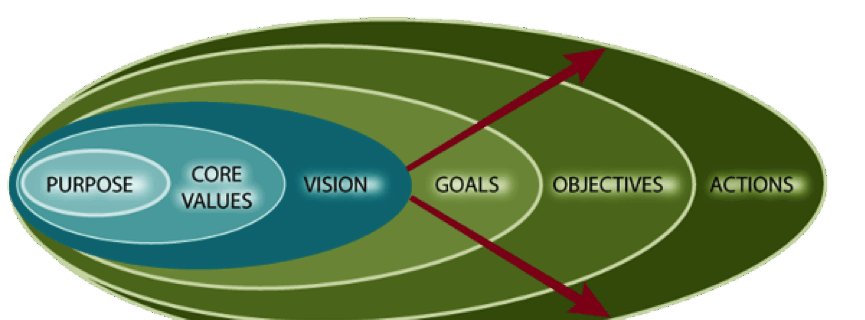
Working with the key people we developed a clear business strategy and culture shift for the business, identifying the businesses core value proposition and a customer focused ethos.

This led to a complete process of change and focused team actions to re-invent the business around its core value proposition and improvement plans to redesign out all root cause issues within the business. 

Following this process we then developed a customer process map.  This identified every customer value added step and supported the customer through the entire process. With a new marketing strategy also in place we were able to improve: –

  • Customer engagement and acquisition which led to an improved Average Order Value (AOV) of 55% in one year.
  • Ownership of issues by frontline staff to get it right for the customer, reducing snagging and issues to a controlled minimum, with everyone pulling together.
  • The development of product improvement and a full product range to support customer retention and conversion, making the business the dominant player within the target market.

This Enabled

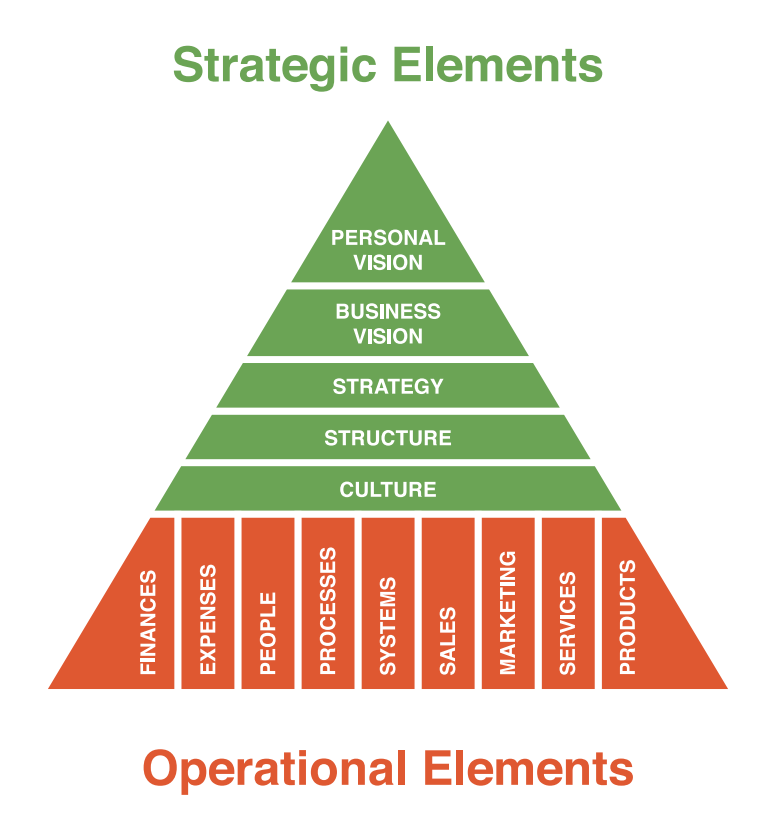
We worked with the owner developing his business and his skills to lead his business more successfully, providing support and guidance throughout. This was supported by clear business planning with the owner with a full strategic and operational business plan in place. 

  • Clear success goals shared with the team. 
  • A forward annual business plan covering every aspect of the business. 
  • Sales goal setting which supported and underpinned the financial plan.
  • A comprehensive financial and cashflow model to ensure the business is cash positive and profitable for the first time.
  • The owner was able to positively look at a trade exit strategy from this business. 

Turnaround Your Business

Revitalising, recreating or jest evolving your business is an essential requirement to become and keep being competitive within your market. Don’t wait until it is too late. The earlier a business leader identifies they could benefit from a strategic refresh the more options and quicker positive change can happen. To turnaround your business with Richard Gourlay then lets have a chat with Richard here now.
Business success supported by Richard Gourlay at Cowden

The Growth of the Garden Rooms Scotland Business

The Growth of Garden Rooms Scotland


The Growth of Garden Rooms

2022 was a great year for Garden Rooms Scotland. A Dumfries success story, with business doubling over 2021 as more and more people look to add a garden room to their home.  The success in 2022 was not a one off, the confirmed order book in January for 2023 alone is more than the turnover achieved in 2021. 


That success is not just down to a great front of house team’s solution design mentality, or the construction team’s hard work in quality construction. Garden Rooms Scotland provides a whole business solution. So where is the growth for Garden Rooms coming from?     


The growth comes not from just a great company but also from several major factors within a market. The growth for Garden Rooms Scotland is no different.  For many established companies’ growth within the outdoor living space sector is significant and is here to stay. Well, at least for the next five years or so if all market projections are to be believed. Why garden rooms are growing, is not down to just one factor, but many inter-related factors which is why growth is not just a blip but a long-term trend for companies set up to maximise this growth market. In response Garden Rooms has built a business to meet that growth curve. 


Rising Demand for Garden Rooms


By far the biggest driver for people buying a garden room is in response to the demand for dedicated work from home space. While 2020 may have been the year of remote working due to Covid, it was just the icing on the cake in growth for the garden room market as work from home became the new normal.

Demand for garden buildings went up by 500% between January and May 2021 at the height of the Pandemic. But it was not a Covid blip, but an emerging long-term trend. A recent TUC survey discovered that more than 38% of people in 2022 in the UK now work from home at least one day a week. By 2025, it is estimated that 70% of the workforce will be working remotely at least five days a month.

The work from home garden office, provides a separate “workplace” replacing the kitchen table worktop. It not only enables people who want to their Zoom conference call in private, but want a permanent workspace differing from their home life. 

Modern buildings provide a series of tangible benefits over old refurbishments. From WIFI, heating and cooling, well insulated and functional design the space works for business people. Garden Rooms also provide a steppingstone to work but without the costly time and financial commute for many professional workers.  Garden Room offices also provide a tranquil workspace, looking out at your garden, creating calm and relaxed workspace, within a few steps of your home.


Space to Add a Garden Room

In places like Dumfries and Galloway, Cumbria, and Northumberland there is also space around many homes. Not just in rural housing but also in towns where many homes until recently were built with sizable gardens and surrounding spaces. This creates options for owners to utilise their spare space for an additional living or work from home space, either as accommodation or for a dedicated activity, from yoga space, music room to art studio. 


Diverse Outdoor Living

Another major factor for many people choosing to add an additional living space is that it adapts what people have saving them having to move to find extra space. “If only we had a …….” Is solved by installing a garden room. Just the cost of moving home is often as much as adding in a new room to an existing property.  Creating a new modern living space within an existing home is also easier as recent planning restrictions have been amended to favour garden room addition.  

Creating dedicated spaces within a garden also creates privacy and can bring a function to a garden as well as a focal point to a garden. Creating a separate functional space brings structure to a garden, adding new functionality to the entire living space without disturbing the existing home. 


Cost Effective Extensions

Starting with the cost of renovation, which has risen our of all expectations, due to labour and materials, with materials alone having risen over 40% since 2020. This makes adapting an existing house now significantly more expensive than adding a garden room option. A comparable construction cost comparison makes an equivalent extension typically 25% more expensive than installing a garden room. 

Coupled to that many older buildings have significant limitations in adaption. Think of old houses with thick load bearing walls, and limited internal room sizes and the attraction of a bespoke design with modern spacious living spaces, well insulated and quickly erected and the rationale for a garden room becomes self-evident.  

Garden Rooms Solution

Designed and built in Dumfries at their dedicated joinery shop, Garden Rooms are designed to be built as modular units which are then constructed onsite.  Bespoke design with innovative solutions Garden Rooms solves people’s living space challenges.  Using clever solution such as ground screw foundations and modular construction saves time and money for customers. This makes the time on site shorter and with low impact on existing gardens and customer’s lives. 

With two showrooms providing a huge range of garden room solutions, customers can visualise and select the size and features they value most in their new garden room. For 2023 Garden Rooms has added new products and features to extend the range and scale of what can be offered.  Garden Rooms is a business going the right direction in the right market at the right time.

To learn about how Richard Gourlay supports and develops successful businesses then contact him by clicking here

Mentoring using teh GROW model to mentor directors

A good business starts with the EXIT in mind, THINK EXIT

Here’s a simple question to any business owner, why are you in business? The flippant answer I often hear is to make money.  An honest, if not inspiring answer.  But there is a fundamental flaw in that statement which many business owners fails to comprehend. They start a business, typically through experience in, or a passion for the field or because they have seen an opportunity to make money, but fail to achieve that ultimate goal because they fail to plan their end, their exit strategy. Thinking through your exit plan from your business should start when you plan your business on day 1, not wait until the end if you want to leave on your terms. Learn more about a good business starts with the exit in mind, THINK EXIT

Are you YOUR business?

If you can’t get out making the money you intended to when you sell up then why did you set up the business in the first place?  You have a great idea, you work on it, and spend your energy (and life) building your business until it becomes you.  It succeeds and you enjoy the lifestyle it brings.  Then the real challenge of maximising that income to free yourself up and retire or do something else begins.

That final stage often becomes impossible because you are the business and it is you, its lifeblood, main cheerleader and driving engine. To any potential buyer, they see that you are the business, its key asset and real value. This is why buy-out clauses often tie-in existing business owners so that the value that the former owner delivers can be transferred to the new owner. This is a typical scenario of being a successful business owner.

Business owners are driven by the passion to run the business day-to-day. This often overshadows the failure to plan the owner’s exit strategy from the start. To achieve that, owners must build a business with the clear objective to enable the owner to get out and maximising the sale value from what they have achieved. Nearly all business owners focus on building a successful business, but not on making sure they maximise their returns from the successful ownership of the business they exit.

Exit Strategy Planning

The real payback from all that hard work in creating and setting up a business for an entrepreneur is the final payback. It is in the shareholder value being realised by a sale of that business. Few owners think about realising their shareholder value, being more interested in the Profit & Loss than the Balance Sheet when making key decisions about the business.

That approach is effectively summarised in the phrase; the turnover is vanity, profit is sanity and cash is king. This great motto in the running of any business. But it does not hold true in achieving exit strategy success as a business owner.

Exit Strategy: think like a Shareholder

Achieving shareholder success is the only motto to follow if you want to have a saleable asset.  Owners need to focus on developing an exit strategy which achieves their personal goals.  While profit and cash rule the day, building a valuable asset requires building shareholder value, through building sustainable long-term profitability.

Success in business requires owners to build a business which you own but are not concreted into the business foundations. Building a forward strategy for your business is a vital first step in building your exit strategy.  It is the old adage that you need to work on your business not in your business for success. This great motto underpins successful entrepreneurs.

THINK EXIT is Long-Term Thinking

Short-term profitability is always an important goal. But long-term share value is a strategic consideration which owners need to consider in building the value of their business. SO a good business starts with the end in mind, THINK EXIT.

If you would like to discuss this article further or further information about our services in working with business owners in achieving  successful exit strategies then contact us at enquiries@cowdenconsulting.com or see our contact page for further options.

Like to learn more about creating and leading a business, with a successful exit strategy in place? Then click here to buy the book with all the tools you need to become a better leader: Strategy The Leader’s Role by Richard Gourlay

Read more “A good business starts with the EXIT in mind, THINK EXIT”

Leadership Development by Richard Gourlay

Business Success: Starts with the END in mind

Here’s a simple question to ask any business owner, why are you in business? The answer to such a simple question can be very enlightening. The flippant answer is to make money: an honest, if not inspiring answer; but there is a fundamental flaw in that statement which many business owners fails to comprehend. They start a business, typically through experience in, or a passion in the field or because they have seen an opportunity to make money, but fail to achieve that ultimate goal because they fail to plan their exit strategy.  Planning your exit strategy on day one of setting up upper business is the hidden key to business success. So remember that business success: starts with the END in mind.

Start with the END in Mind: Strategy

Most business owners focus solely on profitability as their key measure of success. Yet making a profit from a business is more than just yearly profitability. It is also about building a business which is an asset that your target buyer is looking to buy. If you can’t get out making the money you intended to when you sell up, then why did you set up the business in the first place?

You have a great idea, you work on it, and spend your energy (and life) building it until it becomes you.  It succeeds, and you enjoy the lifestyle it brings then the challenge of maximising that income to free yourself up and retire or do something else with your success.  That final stage often becomes impossible because you are the business and it is you, its lifeblood, main cheerleader and driving engine.

This typical scenario of being a business owner, is driven by the passion to run the business day-to-day overshadowing the failure to plan your exit strategy from the start. That is building a business with a clear objective to enable the owner to get out and maximising their income from what they have achieved. Nearly all business owners focus on building a successful business, but not on making sure they maximise their returns from the successful ownership of the business.

Business success starts with the END in mind by Richard Gourlay strategy planner for business owners

The END in mind

The real payback from all that hard work in creating and setting up a business for an entrepreneur is the final payback, the exit payoff.   It is the value creation in within the business, the shareholder value being realised by a sale of that business, which makes al the hard work worth it.  Few owners think about realising their shareholder value. Most being more interested in the Profit and Loss than the Balance Sheet when making key decisions about the business. That approach is effectively summarised in the phrase;

Turnover is vanity,

Profit is sanity but

Cash is king,

This great motto in the running of any business successfully. Cash flow is the lifeblood of business success. But, this does not hold true in achieving a successful exit strategy. Success as a business owner is not measured by turnover, profit margins or the mountain of cash your business generates, but what the business delivers back to those who own it. So I would add to that classic phrase;

true business success is the shareholder value it generates.

Achieving shareholder success is the key motto to follow if you want to have a saleable asset. Shareholder value reflects the true value of your business when you decide to sell up and move on.

Business Success

Business owners need to focus on developing an exit strategy from day one which will enable them to achieve their personal goals.  While profit and cash rule the day, building a valuable asset requires building shareholder value, through building sustainable long-term profitability. Building the business assets, the real shareholder value, needs to include strategies around Intellectual Property (IP), long term profitable contracts, strategic relationships and operational excellence that maximise the company’s value to targeted purchasers.

Successful Business Planning: Starts with the End in mind

Success in business requires owners to build a business which you own, but one you are not concreted into the foundations of its success. Building a forward strategy for your business is a vital first step in building your exit strategy, it is the old adage that you need to work on it not in it which underpins all successful entrepreneurs.  

Building the forward strategy to exit, is therefore different that just building a successful business. Planning from start to exit, means focusing on the exit strategy requirement of increasing shareholder value which is recognised as valuable assets by target buyer audiences.

Short-term profitability is always an important goal, but long-term share value is a strategic consideration which owners need to consider in building the value of their business. If you would like to discuss this article further or further information about our services in working with business owners in achieving  successful exit strategies then contact us at enquiries@cowdenconsulting.com or see our contact page for further options.