Business mission or just a dreamer in business by Richard Gourlay #Sheffield, #Chesterfield, UK

Are you on a MISSION or just a dreamer as a Business Leader?

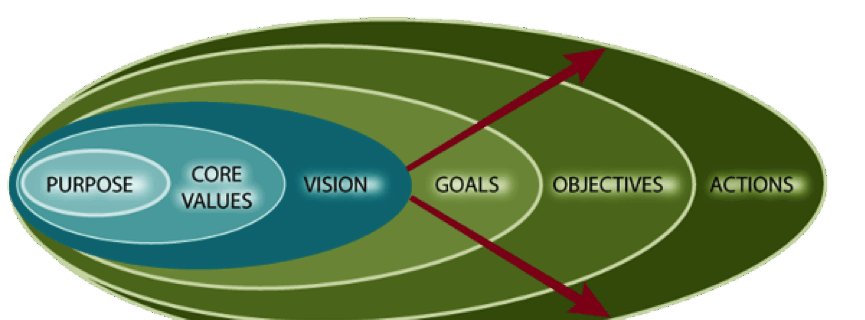
One of the most important pieces of any good business plan is to define what you do and where you are going as a business. If you do not define what you do and where you are going then why should people work with you or for you? Defining your purpose as a business is the clearest statement of intent any director or owner of a business can make, and yet one of the most misunderstood and avoided pieces of any business plan. This is the mission statement which everyone in a company should be able to relate to and believe in.

Why is it avoided? In my experience directors are most often frightened of making a commitment of what they stand for so as not to alienate any existing or potential customers who may not fit the proposed mission statement. This contradiction, not wanting to say what the primary goal of a business or organisation is, means that many company’s try to be everything to everyone, ending up being meaningless to everyone.

Mission Failure

This failure to define a mission is also one of the biggest limitations companies and organizations have in creating clear blue water between them and other players in their market. It is why so many companies struggle to stand out and then expect someone in marketing to try to answer that question sometime later. Marketing does not define the purpose of any business or organization, they may influence it, but it takes leadership from the top for a mission statement to be successful.

Missions fail if they are not believed in by the employees and customers, or experienced in how an organisation looks to deliver its products and services. They are not just slogan on a wall or a website.

Mission Statement

A good mission statement is clear, unambiguous, engaging and relevant to all its key audiences: namely its leadership, senior management, employees, shareholders and customers. A mission and a vision (but more of that later) provides a central definition of what a business or organization delivers.

Creating a Successful Mission Statement

Here’s a quick-step guide to creating a mission statement.

  1. First identify your organization’s “strategic advantage” what makes you successful. This is the idea or approach that makes your organization stand out from its competitors; the reason that customers prefer you and not your competitors, what makes you unique, what are your core competencies?
  2. Secondly, identify the key measures of your success. Key success measures by which you can measure, Key Performance Indicators (KPI’s), typically pick 3 to 5 headline measures of performance.
  3. Thirdly combine your strategic advantage and success measures (KPI’s) into tangible and measurable goal.
  4. Define the wording, using clear language, until you have a concise and precise statement of your mission, which expresses your ideas, measures, and desired result.
  5. Now communicate the mission statement effectively so everyone owns the mission statement within the company, make it public and ensure it is owned from the top with passion.

Communicating mission statements effectively to everyone is a defining piece of making the mission live. After all the hard work in having one so often they are filed away, or framed and stuck on the wall and forgotten. Instead successful Mission statements are launched to everyone and owned.

I’ve run embedding program within companies to ensure that everyone inside businesses and organizations “own” the Mission and build it into their everyday activity.

If you don’t follow through then all the effort is wasted and the opportunity is lost, so remember to focus on making your mission statement memorable and relevant. The leadership also needs to own the mission statement and make it live throughout the company.

A Mission Creates Focus and Loyalty

If you do this businesses and companies can achieve significant improvements which can include: building higher loyalty from staff, higher levels of customer service; improved stakeholder and channel support and lower costs for winning new higher value customers. These are just some examples of the benefits from having and using a mission statement successfully at the front end, one other major advantage is that you have a foundation upon which to build your business plan.

Good Luck: Want to develop your growth plan, use my business planning tool kit, click here to Take the guess work out of your business success   or click this link to learn how to greta your own business strategy:-

Strategy The Leader's Role by Richard Gourlay

Mentoring using teh GROW model to mentor directors

A good business starts with the EXIT in mind, THINK EXIT

Here’s a simple question to any business owner, why are you in business? The flippant answer I often hear is to make money.  An honest, if not inspiring answer.  But there is a fundamental flaw in that statement which many business owners fails to comprehend. They start a business, typically through experience in, or a passion for the field or because they have seen an opportunity to make money, but fail to achieve that ultimate goal because they fail to plan their end, their exit strategy. Thinking through your exit plan from your business should start when you plan your business on day 1, not wait until the end if you want to leave on your terms. Learn more about a good business starts with the exit in mind, THINK EXIT

Are you YOUR business?

If you can’t get out making the money you intended to when you sell up then why did you set up the business in the first place?  You have a great idea, you work on it, and spend your energy (and life) building your business until it becomes you.  It succeeds and you enjoy the lifestyle it brings.  Then the real challenge of maximising that income to free yourself up and retire or do something else begins.

That final stage often becomes impossible because you are the business and it is you, its lifeblood, main cheerleader and driving engine. To any potential buyer, they see that you are the business, its key asset and real value. This is why buy-out clauses often tie-in existing business owners so that the value that the former owner delivers can be transferred to the new owner. This is a typical scenario of being a successful business owner.

Business owners are driven by the passion to run the business day-to-day. This often overshadows the failure to plan the owner’s exit strategy from the start. To achieve that, owners must build a business with the clear objective to enable the owner to get out and maximising the sale value from what they have achieved. Nearly all business owners focus on building a successful business, but not on making sure they maximise their returns from the successful ownership of the business they exit.

Exit Strategy Planning

The real payback from all that hard work in creating and setting up a business for an entrepreneur is the final payback. It is in the shareholder value being realised by a sale of that business. Few owners think about realising their shareholder value, being more interested in the Profit & Loss than the Balance Sheet when making key decisions about the business.

That approach is effectively summarised in the phrase; the turnover is vanity, profit is sanity and cash is king. This great motto in the running of any business. But it does not hold true in achieving exit strategy success as a business owner.

Exit Strategy: think like a Shareholder

Achieving shareholder success is the only motto to follow if you want to have a saleable asset.  Owners need to focus on developing an exit strategy which achieves their personal goals.  While profit and cash rule the day, building a valuable asset requires building shareholder value, through building sustainable long-term profitability.

Success in business requires owners to build a business which you own but are not concreted into the business foundations. Building a forward strategy for your business is a vital first step in building your exit strategy.  It is the old adage that you need to work on your business not in your business for success. This great motto underpins successful entrepreneurs.

THINK EXIT is Long-Term Thinking

Short-term profitability is always an important goal. But long-term share value is a strategic consideration which owners need to consider in building the value of their business. SO a good business starts with the end in mind, THINK EXIT.

If you would like to discuss this article further or further information about our services in working with business owners in achieving  successful exit strategies then contact us at enquiries@cowdenconsulting.com or see our contact page for further options.

Like to learn more about creating and leading a business, with a successful exit strategy in place? Then click here to buy the book with all the tools you need to become a better leader: Strategy The Leader’s Role by Richard Gourlay

Read more “A good business starts with the EXIT in mind, THINK EXIT”

Leadership Development by Richard Gourlay

Business Success: Starts with the END in mind

Here’s a simple question to ask any business owner, why are you in business? The answer to such a simple question can be very enlightening. The flippant answer is to make money: an honest, if not inspiring answer; but there is a fundamental flaw in that statement which many business owners fails to comprehend. They start a business, typically through experience in, or a passion in the field or because they have seen an opportunity to make money, but fail to achieve that ultimate goal because they fail to plan their exit strategy.  Planning your exit strategy on day one of setting up upper business is the hidden key to business success. So remember that business success: starts with the END in mind.

Start with the END in Mind: Strategy

Most business owners focus solely on profitability as their key measure of success. Yet making a profit from a business is more than just yearly profitability. It is also about building a business which is an asset that your target buyer is looking to buy. If you can’t get out making the money you intended to when you sell up, then why did you set up the business in the first place?

You have a great idea, you work on it, and spend your energy (and life) building it until it becomes you.  It succeeds, and you enjoy the lifestyle it brings then the challenge of maximising that income to free yourself up and retire or do something else with your success.  That final stage often becomes impossible because you are the business and it is you, its lifeblood, main cheerleader and driving engine.

This typical scenario of being a business owner, is driven by the passion to run the business day-to-day overshadowing the failure to plan your exit strategy from the start. That is building a business with a clear objective to enable the owner to get out and maximising their income from what they have achieved. Nearly all business owners focus on building a successful business, but not on making sure they maximise their returns from the successful ownership of the business.

Business success starts with the END in mind by Richard Gourlay strategy planner for business owners

The END in mind

The real payback from all that hard work in creating and setting up a business for an entrepreneur is the final payback, the exit payoff.   It is the value creation in within the business, the shareholder value being realised by a sale of that business, which makes al the hard work worth it.  Few owners think about realising their shareholder value. Most being more interested in the Profit and Loss than the Balance Sheet when making key decisions about the business. That approach is effectively summarised in the phrase;

Turnover is vanity,

Profit is sanity but

Cash is king,

This great motto in the running of any business successfully. Cash flow is the lifeblood of business success. But, this does not hold true in achieving a successful exit strategy. Success as a business owner is not measured by turnover, profit margins or the mountain of cash your business generates, but what the business delivers back to those who own it. So I would add to that classic phrase;

true business success is the shareholder value it generates.

Achieving shareholder success is the key motto to follow if you want to have a saleable asset. Shareholder value reflects the true value of your business when you decide to sell up and move on.

Business Success

Business owners need to focus on developing an exit strategy from day one which will enable them to achieve their personal goals.  While profit and cash rule the day, building a valuable asset requires building shareholder value, through building sustainable long-term profitability. Building the business assets, the real shareholder value, needs to include strategies around Intellectual Property (IP), long term profitable contracts, strategic relationships and operational excellence that maximise the company’s value to targeted purchasers.

Successful Business Planning: Starts with the End in mind

Success in business requires owners to build a business which you own, but one you are not concreted into the foundations of its success. Building a forward strategy for your business is a vital first step in building your exit strategy, it is the old adage that you need to work on it not in it which underpins all successful entrepreneurs.  

Building the forward strategy to exit, is therefore different that just building a successful business. Planning from start to exit, means focusing on the exit strategy requirement of increasing shareholder value which is recognised as valuable assets by target buyer audiences.

Short-term profitability is always an important goal, but long-term share value is a strategic consideration which owners need to consider in building the value of their business. If you would like to discuss this article further or further information about our services in working with business owners in achieving  successful exit strategies then contact us at enquiries@cowdenconsulting.com or see our contact page for further options.

Business success in business supported by Richard Gourlay

WHY really matters in influencing consumers buying habits

WHY Customers’ BUY 

WHY really matters in influencing consumers buying habits in today markets. Back in the early 1980’s customers used to buy what companies made, went where they sold it ,and bought what they promoted.  That was the age of big marketing and sales budgets, when big adverts worked.  Driving demand through pushing products down channels, offering promotion and celebrity endorsement to generate business.

By the late 1980’s the age of the Unique Selling Proposition (USP) dominated: we are special because….. so you will buy’! So the world did as it was told: “we make what you want because we tell you want you want because we know about your needs”.  This relied upon trust in a brand by the public, which in a pre-internet world gave complete control to the brand and the consumer relied on marketing messages coming out.

People buy if they trust the brand they are buying from. In the 1980’s people trusted brands because no-one questioned them. A lack of information coupled with a belief in household names meant that people’s buying decisions were based upon a limited width of information upon which all buying decisions were made.

Today the world has changed. The sources of information have increased dramatically. The transparency required by companies is now at a level of how the organisation operates. Every aspect of what and how a company operates is under total scrutiny from a whole range of pressure and interest groups. Every aspect of ever action is recorded, analysed and evaluated. Business leaders today live in a totally transparent world, and the measures of trust are now very different.

Trust, the intangible combination of character and competence which all successful brands must develop and sustain is mad cup of a whole series of complex elements.  The importance of ethics in today’s business is an essential characteristic which purchasers expect their brand to portray in envy aspect of its behaviour. That makes it a key priority for leaders’ to focus on within their role.

Honest is Essential in WHY Consumers Buy.

Ethics came play such an important element of purchase decisions at the same time as the age of information changed what people could find out about a brand. As the internet began its infancy, the power of globalisation was laid bare by the internet. People asked as much about how companies did things as well as what those products did for the buyer?

Where products were sourced, made, shipped and by whom now became important. Why were the premium footballs, such as those which David Beckham kicked, being made by blind children in India for a few rupees. Why were the clothes models wore being made in sweat shops where workers earned less than for a dollar a day? Honest is now essential not just in how a brand portrays itself but in its complete supply chain, marketing activity and in its contribution to the world it operates within.

A Business Cannot Hide its Activities

The internet changed how the media could communicate, explaining how household names operated and could afford those huge marketing budgets. This forced companies to change their practises (and their internal policies) by educating and fighting back against the likes of Naomi Wolfs’ No Logo expose for example.  The brands who recognised that they could no longer hide their activities became more open and honest and developed trust, while those which did not, suffered public shaming and demise.

How business operated mattered, and so in response companies upped their awareness of their social impact and visibility through corporate social responsibility. How people did things mattered not just when the likes of Bhopal and Exxon Valdez disasters struck, but in everyday life.

Fair-trade has become a household name in consumer goods, with high street stores vying for credibility of having an ethical policy, supporting local goods and having transparent policies of how they operate. This gives more confidence but leaves companies open to further scrutiny and often to unsatisfactory answers to vital key questions, not at least within developing countries, who are now the fastest growing emerging markets for many brands.

Ethically; WHY should I buy from you?

The biggest question which consumers and business now asks people is why businesses are doing these things.  Everyone has become so empowered with information sources that people want to buy the WHY, not the what. Buyers want to understand the ethics of the company and importantly the people behind the decisions it takes. Customers want to know that these decisions accurately reflect the real cultural and values that company has, not just the marketing hype, which the brand portrays. Today this is the real power of the internet.

What’s the real purpose of the company, who and what is driving it and what does it really believe in and stand for. No longer is a small donation to a local charity enough to say it supports the community, customers want to know how much, who gets involved, is it company wide and deep or just a year-end tax saving. In today’s world the importance of ethics in today’s business cannot be understated for leaders to focus upon in their role.

Ethical Values Being Lived

In fact the world has changed completely, confidence comes not from what you say but why you are saying it. The educated and informed world means that it’s not just politicians who have seen their reputation tarnished but any business in any sector who does not explain it why factor.

It’s not just whistle blowers who expose mal-practice in today’s world, everyone is communicating through so many channels, from traditional word of mouth, through social media and beyond into a connected world, where reputations must be transparent. As everyone’s voice matters, being ethically transparent, open and honest is now essential if a brand is to be trusted.

Winning Life-Long Customers Requires Integrity

Winning customers is no longer all leaders have to focus on. Finding talented staff, channels partners and customers is now a multifaceted challenge for leaders to deal with. Ethical short-cuts damage brands reputation and those damaging allegations now stick, and become magnified to stakeholders as statements are now online, like a bad trip advisor review, it never goes. A tarnished reputation is exactly that.

No matter what sector you are in, understanding the  power of the internet in sustaining your reputation is essential and never more so than in explaining why you are in business and why you matter. The importance of ethics in today’s business has never been so important to establish and maintain.

So does WHY still matter. YES more than every before in a global world honesty, transparency and integrity matter in building and retaining trust with consumers more than every before.

Like to learn more, then contact us at Cowden or see our website or social media channels for more about Cowden Consulting:-

Website – Linked in – Twitter – Facebook – Blog

Cowden services: business planning, strategic planning, business development, strategic marketing, Return on Investment, director development, director mentoring.

Cowden works with business leaders throughout the UK to improve their business.