

Mentoring is often described as a people-development tool, but that definition undersells its strategic value. In strong organisations, mentoring is a leadership practice that shapes culture, strengthens capability and improves how people work together. When leaders actively mentor, they do more than support individual growth — they create an environment where confidence, accountability and learning can spread across the organisation. That’s what a mentoring culture can deliver.
That is why mentoring matters beyond one-to-one conversations. Its real impact is cultural. When leaders experience the value of being mentored, they are more likely to lead in the same way themselves. Over time, that creates a multiplier effect: better conversations, stronger relationships and a more resilient organisation from the top team through to the frontline.
Mentoring as a Strategic Leadership Practice
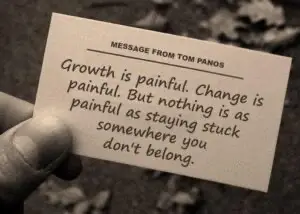
Growth and change are rarely comfortable, but the cost of standing still is usually far greater. This is where mentoring becomes especially powerful. In periods of pressure, transition or expansion, leaders need more than technical capability; they need the ability to guide others with clarity, perspective and trust.
Leaders who mentor well build confidence in others, accelerate team development and create stronger alignment between strategy and day-to-day execution. Mentoring also helps senior people stay connected to the reality of the business. It breaks down vertical silos, opens up communication and brings leadership closer to the issues that matter most on the ground.
A willingness to mentor says a great deal about the kind of leader someone wants to be. The most respected leadership styles are rarely defined by control alone; they are defined by the ability to develop others. Mentoring sits at the heart of transformational and servant leadership because it shifts the focus from authority to growth, from direction to development, and from hierarchy to shared progress.
Leadership Development That Actually Changes Behaviour
Many leadership programmes build knowledge, but mentoring helps turn that knowledge into behaviour. It gives leaders the space to reflect, test ideas and improve how they communicate. That matters because leadership is not only about having a vision — it is about expressing that vision in a way that engages people and helps them see their role in delivering it.
Mentoring supports leaders in developing both what they communicate and how they communicate it. It creates the time to review goals, challenge assumptions and practise better conversations. Just as importantly, it helps leaders recognise that they do not need to have every answer immediately. In complex organisations, asking the right questions is often more valuable than offering the fastest response.
Trust, Engagement and Better Organisational Conversations
One of the clearest signs of leadership maturity is the ability to create an open engagement culture where ideas can move freely. Leaders do not need to dominate every discussion; they need to create the conditions for better thinking across the organisation. Mentoring helps build that discipline by encouraging curiosity, listening and constructive challenge.
When leaders model open, developmental conversations, teams are more likely to share ideas, raise concerns early and work through challenges together. That is how trust becomes operational rather than aspirational. It moves from being a value on paper to a daily habit that improves collaboration, decision-making and performance.
Mentoring Culture
The result is not simply a more supportive culture. It is a stronger, more adaptable organisation. Mentoring reduces unnecessary pressure on senior leaders by developing confidence and judgement more widely across the business. It builds resilience, strengthens succession and helps organisations sustain performance without relying too heavily on a small number of individuals.
Mentoring creates and sustains better, stronger and more resilient teams. For leaders looking to reduce the pressure on themselves mentoring is a vital skill for themselves and others within their organisation. Leaders reduce pressure on themselves and their fellow senior people and to get the best out of their people by creating a mentoring culture. This seen as the most effective way to sustain a positive business culture.
The Leadership Choice
A mentoring culture does not emerge by accident. It is a leadership choice. Organisations that treat mentoring as a strategic capability — not an optional extra — are better placed to build trust, develop talent and navigate change. In that sense, mentoring is not just good leadership practice. It is one of the clearest indicators of leadership strength.
No responses yet